Take your app to the next level with Affise MMP (Mobile Measurement Partner)
Join Now ⚡
18 Best Affiliate Programs to Join in 2027 18 Best Affiliate Programs to Join in 2027

Tips & Guides — 10 Nov 2026

The Best Affiliate Programs in 2027

18 Affiliate Programs to Join in 2027

Connect with the best advertisers and brands directly through Affise Reach

Learn more →

Affiliate marketing has become an important revenue channel for businesses across industries, from e-commerce and retail to SaaS. By launching affiliate programs, companies can partner with publishers, content creators, and influencers to reach new audiences and generate sales.

For publishers, these programs offer an opportunity to earn commissions by promoting relevant products and services. However, choosing the right affiliate marketing programs requires more than comparing commission rates.

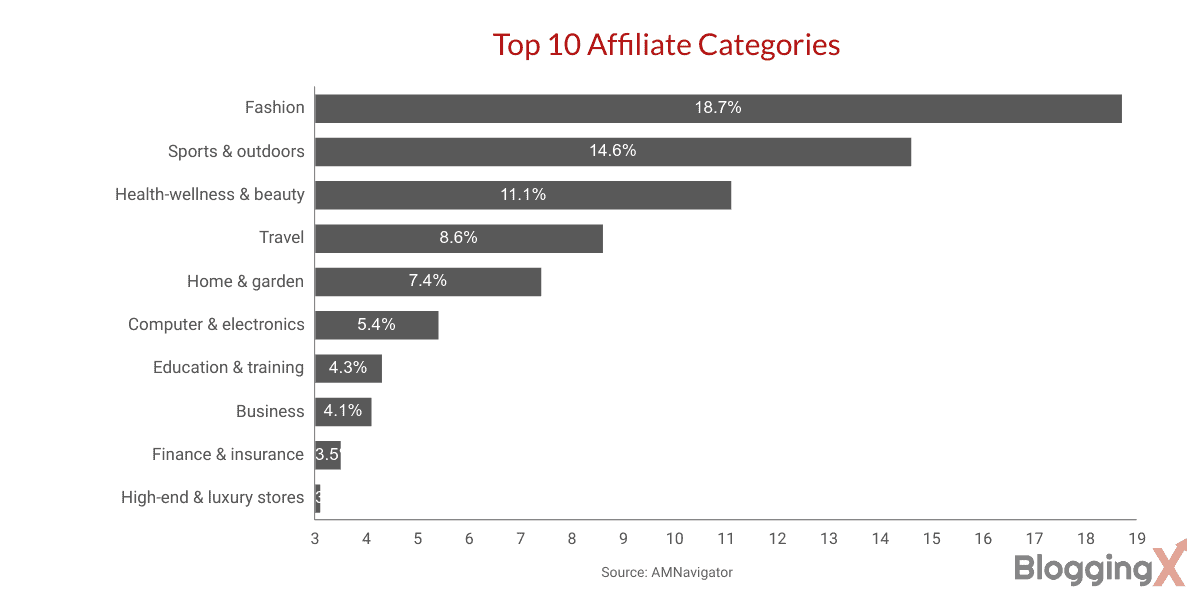
top affiliate marketing program categories
Image source: bloggingx.com

In this guide, we explore 18 of the best affiliate programs to join in 2027, comparing their commission structures, payment terms, cookie durations, and key benefits. But first, let’s look at how affiliate programs work.

Comparison of the Best Affiliate Programs

Not sure which affiliate program is right for you? The comparison below provides an overview of 18 affiliate programs across different industries, including website hosting, digital marketing, e-commerce, education, and software.

Compare their commission structures and cookie durations to find programs that match your niche and audience.

Affiliate ProgramCategoryCommissionCookie Duration
1. WixWebsite Building$100 per qualifying premium plan sale30 days
2. SemrushSEO Software$100 to $300 per sale, plus $10 per qualifying trial120 days
3. ShopifyE-commerceVaries by referral and marketNot publicly specified
4. AppleDigital Products and ServicesVaries by product or subscription24 hours
5. BluehostWeb HostingFrom $65 per qualifying sale45 days
6. ClickFunnelsSales Funnel Software40% recurring45 days
7. Kit (ConvertKit)Email Marketing30% recurring30 days
8. WP EngineWordPress HostingFrom $200 or 100% of the first monthly payment, whichever is higher180 days
9. AWeberEmail Marketing30% recurring1 year (in-house program)
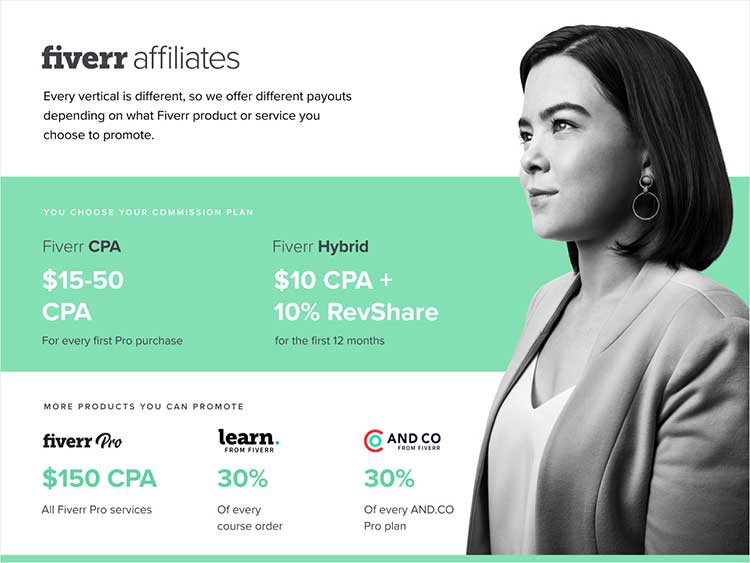
10. FiverrFreelance Services$15 to $50 CPA, or $10 CPA plus 10% revenue share30 days
11. GetResponseEmail Marketing33% recurring or $100 per qualifying sale120 days
12. KinstaWordPress Hosting$50 to $500 initial commission, plus 10% recurring60 days
13. CourseraOnline Education20% to 45%30 days
14. Liquid WebWeb HostingFrom $150 or 150% of the monthly hosting cost, whichever is higher90 days
15. StrongVPNVPN ServicesUp to 200% of a qualifying sale30 days
16. GrammarlyWriting Software$0.20 per free registration to $20 per Premium sale90 days
17. HubSpotCRM Software100% of the first month’s revenue or 15% recurring90 days
18. CanvaDesign SoftwareUp to $36 per qualifying sale30 days


Note: Commission amounts and cookie durations may depend on the product, subscription, referral type, and affiliate agreement.

What Is an Affiliate Program and How Does It Work?

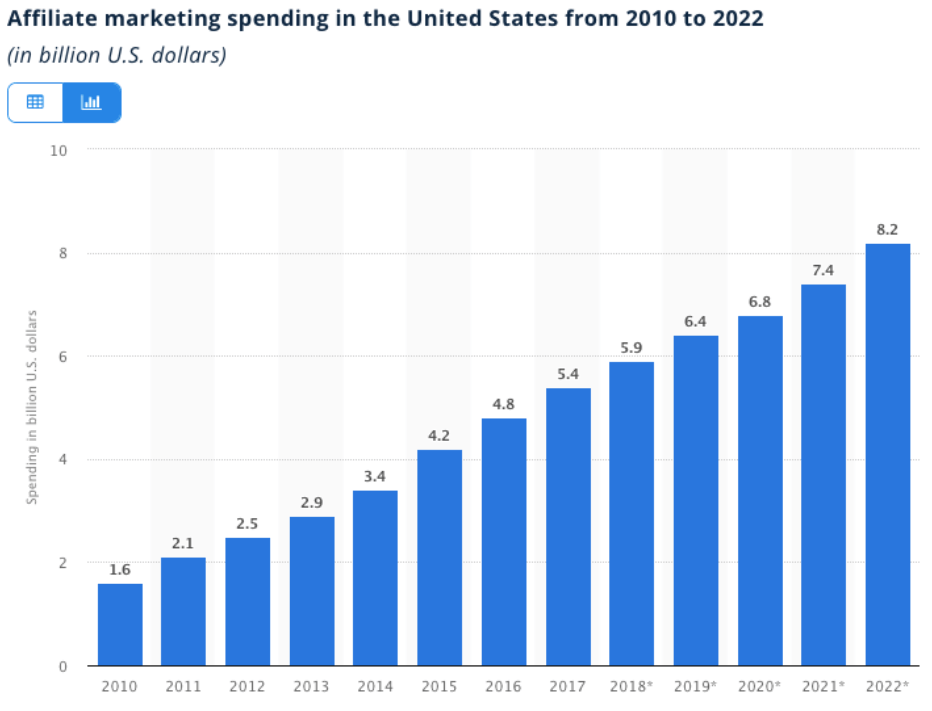
Affiliate marketing spendings
Image source: statista.com

An affiliate program is a partnership between a business (merchant or advertiser) and publishers, content creators, or other partners who promote its products or services. Also known as partner or associate programs, these arrangements help businesses reach new audiences and generate sales through external marketing partners.

Affiliates earn commissions when users complete predefined actions through their referral links. Depending on the program, these actions may include making a purchase, submitting a lead, or signing up for a service.

To manage these partnerships, businesses use affiliate tracking platforms to monitor clicks, conversions, commission calculations, and partner performance.

Affiliate marketing benefits both sides. Businesses gain additional acquisition channels, while affiliates can monetize their websites, blogs, social media accounts, and other audiences by promoting relevant offers.

One well-known example is the Amazon Associates program, which allows publishers to earn commissions by promoting eligible Amazon products.

Read also: What Is an Affiliate Program?

How to Choose the Best Affiliate Programs

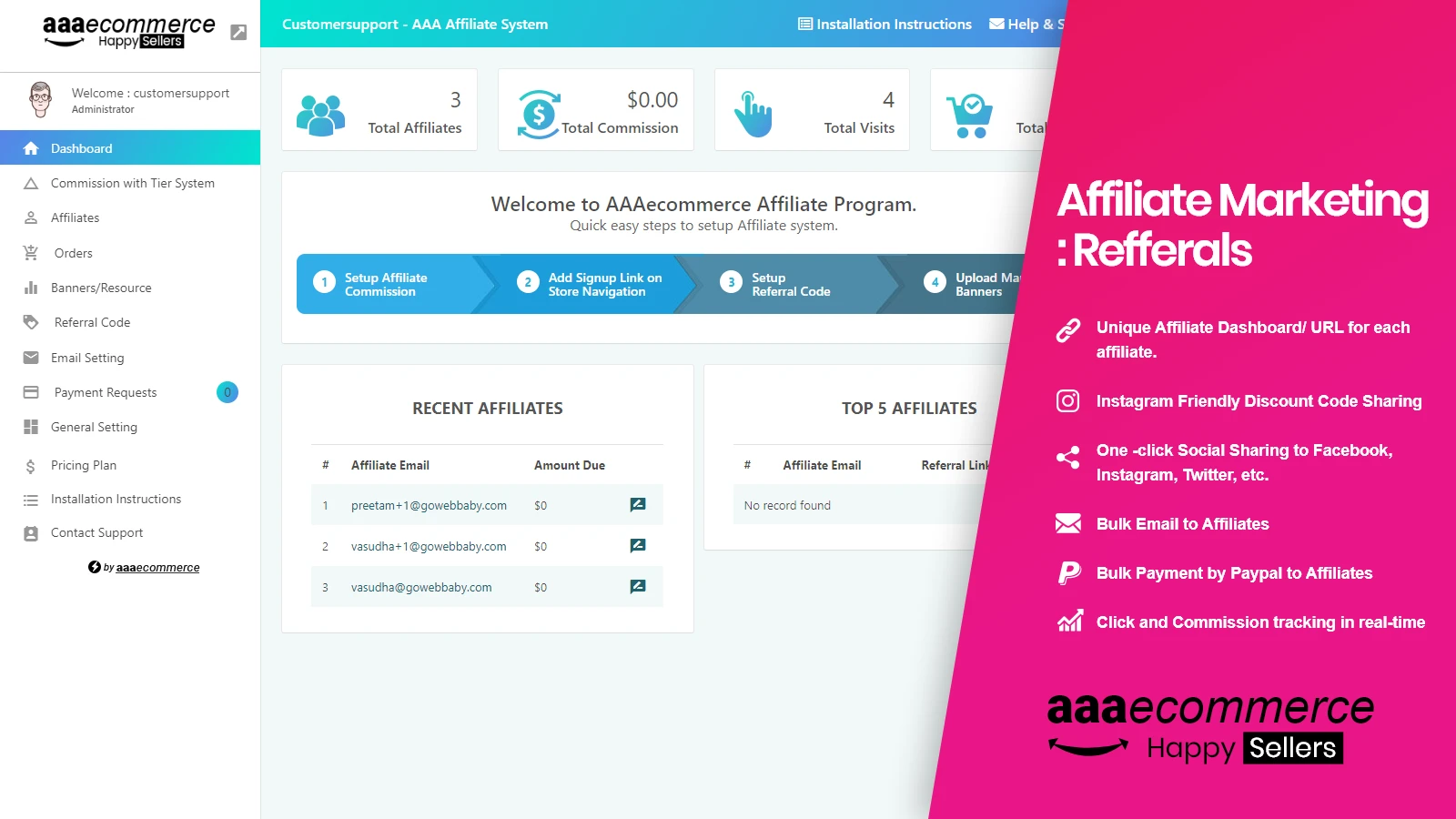
Choosing best affiliate programs


  • 1
    Ease of Use

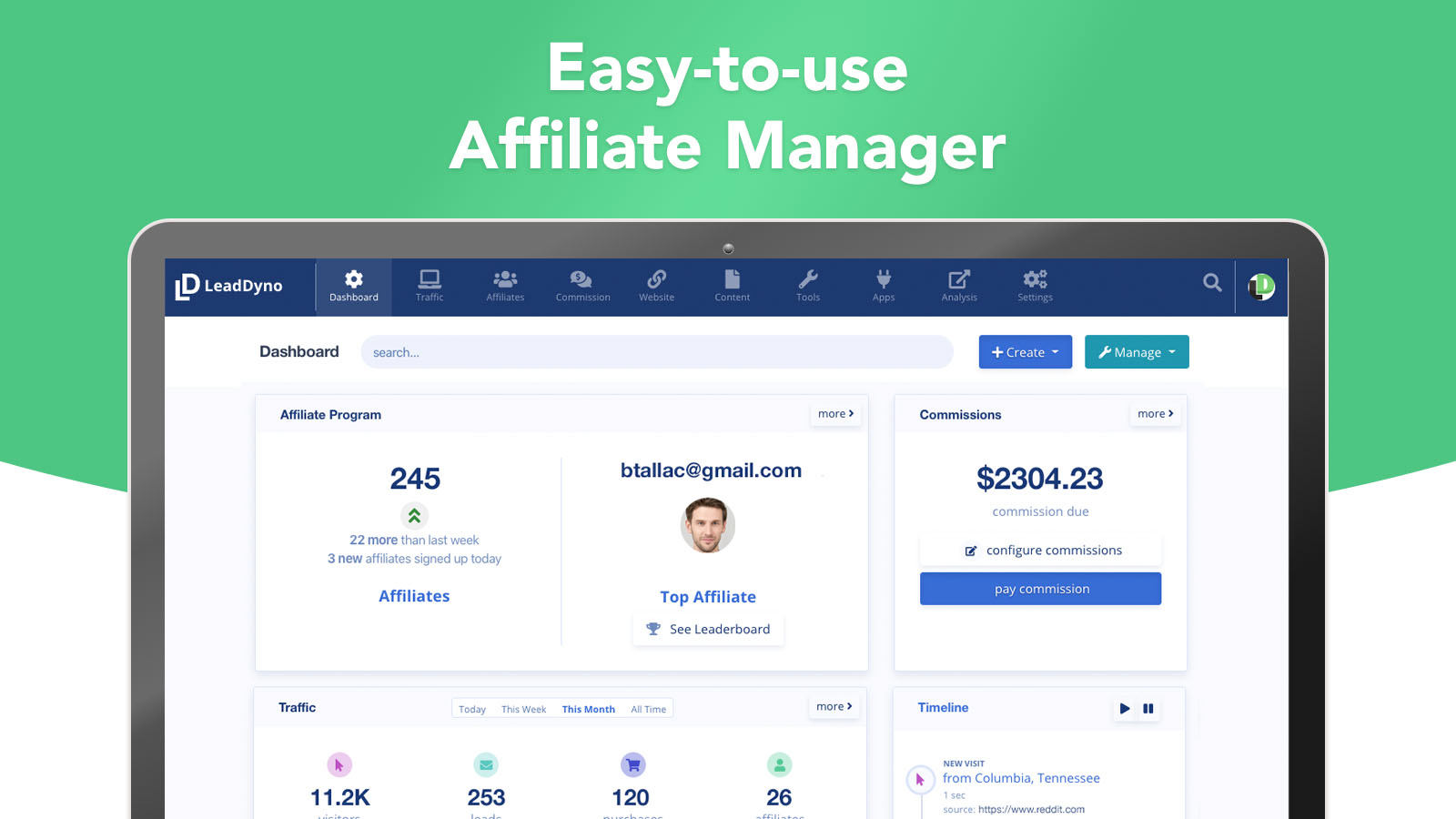
Choose an affiliate program that is easy to join, navigate, and manage. A user-friendly platform should make it simple to generate referral links, access promotional materials, track clicks and conversions, and monitor your earnings.

Look for clear reporting, helpful tutorials, and integrations with tools you already use. These features can save time and help you understand which campaigns generate the best results.

Before joining, explore the affiliate dashboard or request a demonstration if one is available. This will help you determine whether the platform meets your needs.

Join an industry-leading affiliate marketing platform and start earning by monetizing your traffic today!


  • 2
    Affiliate Commission Rates

Commission rates directly affect how much you can earn from an affiliate program. However, the highest percentage does not always mean the highest potential income. Consider the commission structure, average order value, conversion rate, and payment conditions before joining.

Most affiliate programs offer a percentage of each sale or a fixed payment for a specific conversion. Some SaaS companies also provide recurring commissions, allowing affiliates to earn money for as long as referred customers maintain their subscriptions.

Additionally, certain programs offer tiered commissions that increase as affiliates generate more sales or reach specific performance targets.

Compare these conditions across different programs and choose those that best match your audience and promotional strategy. A lower commission rate on products that convert well may generate more revenue than a higher rate on offers that are difficult to sell.

  • 3
    Cookie Duration

Cookie duration determines how long an affiliate referral can be attributed to a publisher after someone clicks their tracking link. It is an important factor when comparing affiliate programs, especially for products that require more time before customers make a purchase.

For example, if a program offers a 30-day cookie duration, a qualifying purchase made within that period may be attributed to your referral, subject to the program’s attribution rules.

However, a longer cookie duration does not guarantee a commission. Attribution can also depend on factors such as last-click rules, competing referrals, browser settings, and user consent.

Before joining an affiliate program, check its cookie duration and understand how it handles referral attribution.


  • 4
    Affiliate Payouts and Payment Terms

Before joining an affiliate program, check how commissions are calculated and when you can expect to receive your earnings. Common affiliate commission models include:

  • Pay-per-click (PPC): You earn a commission when someone clicks your referral link.

  • Pay-per-lead (PPL): You receive payment when a referred user completes a specific action, such as submitting a registration form.

  • Pay-per-sale (PPS): You earn a commission when someone makes a purchase through your referral link.

  • Recurring commissions: You receive ongoing payments while referred customers maintain their subscriptions.

  • Two-tier commissions: You earn from your own referrals and, where supported, from affiliates you introduce to the program.

Payment terms are equally important. Affiliate programs may offer weekly, bi-weekly, or monthly payouts. Some also require you to reach a minimum payment threshold before withdrawing your earnings.

Finally, check which payment methods are supported. Options may include PayPal, bank transfers, and other payment services, depending on your country.

Review these conditions carefully to avoid unexpected delays or restrictions when receiving your affiliate earnings.


  • 5

    Communication and Affiliate Support

Good communication is essential when choosing an affiliate program. Look for advertisers that provide clear information about their products, promotional guidelines, and commission terms.

A reliable affiliate program should also keep partners informed about new offers, campaign updates, and changes to its conditions. Access to a dedicated affiliate manager or responsive support team can be especially valuable when you need assistance.

Additionally, check whether the affiliate platform offers notifications and other communication tools to help you stay up to date.


  • 6

    Affiliate Program Requirements and Eligibility

Before joining an affiliate program, check its eligibility requirements and participation criteria. Although many programs welcome new publishers, their expectations can vary.

Smaller businesses may accept beginner affiliates, influencers, and content creators with smaller audiences. Larger brands, however, may require established websites, consistent traffic, high-quality content, and an audience relevant to their products.

Also, review any restrictions on promotional methods, geographic markets, and content types to make sure you meet the program’s requirements.


  • 7
    Digital vs. Physical Products

Choosing the right products to promote is essential for affiliate marketing success. Digital products, such as SaaS subscriptions, often offer higher commission rates and recurring revenue opportunities. Physical products, on the other hand, may be easier to promote because customers are already familiar with them.

However, product relevance matters more than the format. Choose affiliate products that match your niche and audience’s interests. For example, if you publish content about marketing automation, promoting relevant software is likely to be more effective than advertising children’s toys.

After considering these factors, you can start comparing affiliate programs that match your niche and audience. The following list includes 18 options across different industries, from web hosting and digital marketing to online education and design software.

How We Selected These Affiliate Programs

To compile this list, we considered several factors that can influence an affiliate’s experience and earning potential.

These include:

  • Commission structure: Whether the program offers fixed payments, percentage-based commissions, or recurring revenue.

  • Cookie duration: How long a referral can be attributed to an affiliate after someone clicks their tracking link.

  • Product relevance: Whether the company’s products or services appeal to specific audiences and content niches.

  • Payment terms: Minimum payout thresholds, payment frequency, and available payment methods.

  • Affiliate support: Access to promotional materials, tracking dashboards, and partner assistance.

  • Eligibility requirements: Whether the program is accessible to beginners, established publishers, or specific types of content creators.

These factors provide a framework for comparing affiliate programs. However, the best option ultimately depends on your audience, content strategy, and promotional goals.

18 Best Affiliate Programs to Join in 2027

Wix Affiliate Program

Best affiliate programs Wix

Cookie duration: 30 days

Commission: $100 per qualifying premium plan sale (verify current terms).

Wix offers an affiliate program for publishers who want to promote its website-building platform. Affiliates can access promotional materials, including banners, links, and landing pages, to support their campaigns.

Payment threshold: $300. Unpaid earnings carry over until the threshold is reached (verify current terms).

Semrush Affiliate Program

Best affiliate programs Semrush

Cookie duration: 120 hours

Commission: 40%

Semrush is an SEO and digital marketing platform with an affiliate program for publishers. Affiliates can earn recurring commissions from qualifying referrals, subject to the program’s conditions. The program also provides promotional materials in multiple languages to help partners attract new customers.

Important: The original 10-year cookie duration and the claim of earning up to $160 per month per referral should be verified before publication.

3. Shopify Affiliate Program

Shopify affiliate program

Cookie duration: 180 hours

Commission: Depends on the qualifying referral and current program terms.

Shopify is an e-commerce platform that helps businesses create online stores, manage products, process payments, and sell across multiple channels. Its affiliate program is aimed at entrepreneurs, educators, influencers, and content creators who reach audiences interested in starting or growing an online business.

Affiliates can promote Shopify using referral links and available marketing resources. Before joining, review the current commission structure, eligibility requirements, and payment conditions.

4. Apple Affiliate Program

Apple affiliate program

Cookie duration: 24 hours.

Commission: Varies by subscription or product category.

Apple’s affiliate program allows publishers to earn commissions by referring customers to eligible Apple digital content and services, including books, movies, TV shows, and audiobooks.

The program may also cover qualifying subscriptions. Before joining, check the current commission rates, eligible products, and payment conditions.

5. Bluehost Affiliate Program

Bluehost affiliate program

Cookie duration: 45 days.

Commission: From $65 per qualifying sale (verify current terms).

Bluehost is a web hosting provider that offers an affiliate program for bloggers, website owners, and content creators. Affiliates can promote its hosting services using referral links and banners placed on their websites.

The program is free to join and provides access to affiliate support. Check the latest commission rates, eligibility requirements, and payment conditions before applying.

6. ClickFunnels Affiliate Program

Clickfunnels affiliate program

Cookie duration: 45 days.

Commission: 40% recurring, plus potential bonuses (verify current terms).

ClickFunnels is a platform that helps entrepreneurs build websites, landing pages, and sales funnels without extensive technical knowledge.

Its affiliate program allows publishers to earn recurring commissions when referred customers become paying members. It may be particularly relevant for bloggers, marketers, and content creators whose audiences are interested in online business and sales automation.

7. Kit (ConvertKit) Affiliate Program

Convertkit affiliate program

Cookie duration: 30 days.

Commission: 30% recurring (verify current terms).

Kit is an email marketing platform designed for creators, bloggers, and online businesses. Its features include email automation, landing pages, and tools for building and managing subscriber lists.

The affiliate program allows publishers to earn recurring commissions from qualifying customer referrals. It may be a good fit for content creators whose audiences are interested in email marketing and growing an online business.

8. WP Engine Affiliate Program

Wordpress affiliate program

Cookie duration: 180 days.

Commission: From $200 per qualifying referral or 100% of the customer’s first monthly payment, whichever is higher (verify current terms).

WP Engine provides managed WordPress hosting for businesses, bloggers, and website owners. Its affiliate program allows publishers to earn commissions by referring customers to its hosting services.

Affiliates can promote WP Engine through referral links and access promotional resources. The program may be particularly relevant for publishers covering WordPress, website development, hosting, and online business.

9. AWeber Affiliate Program

Aweber affiliate program

Cookie duration: 1 year for the in-house program.

Commission: 30% recurring for the in-house program (verify current terms).

AWeber is an email marketing platform that helps businesses create email campaigns, automate communication, and grow subscriber lists.

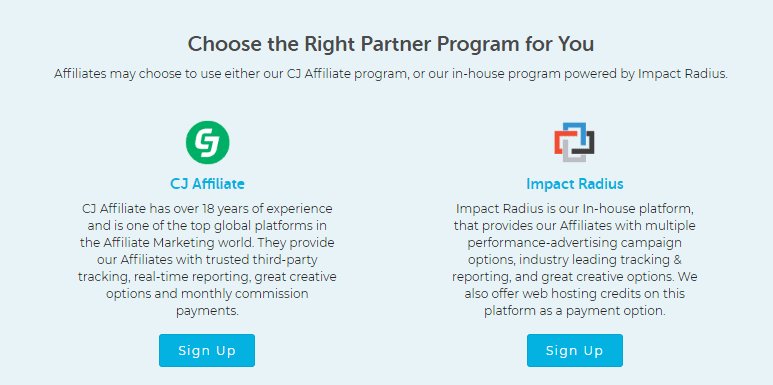
Affiliates can choose between AWeber’s in-house program, which offers recurring commissions, and its CJ Affiliate program, which has a separate commission structure and cookie duration.

The program may be a good fit for bloggers, marketers, and content creators whose audiences are interested in email marketing and business growth.

10. Fiverr Affiliate Program

Fiverr affiliate program

Cookie duration: 30 days

Commission:

  • Fiverr Hybrid: $10 CPA plus 10% revenue share.

  • Fiverr CPA: $15 to $50 per qualifying referral.

  • Fiverr Learn: 30% per qualifying course order.

Fiverr is an online marketplace connecting businesses and individuals with freelancers offering services across various categories. It also provides educational courses through Fiverr Learn.

Affiliates can choose which services or products best match their audience. The program also offers a dashboard to track campaign performance and access promotional materials.

11. GetResponse Affiliate Program

GetResponse affiliate program

Cookie duration: 120 days

Commission:

  • Recurring commission: 33% of referred customers’ payments.

  • One-time commission: $100 per qualifying sale.

GetResponse is a marketing platform that offers email marketing, marketing automation, CRM tools, and landing pages.

The company provides two affiliate program options: a recurring commission model and a one-time payment model. This gives publishers flexibility to choose the option that best fits their promotional strategy and audience.

The program may be particularly relevant for bloggers, marketers, and content creators whose audiences are interested in email marketing and business growth.

12. Kinsta Affiliate Program

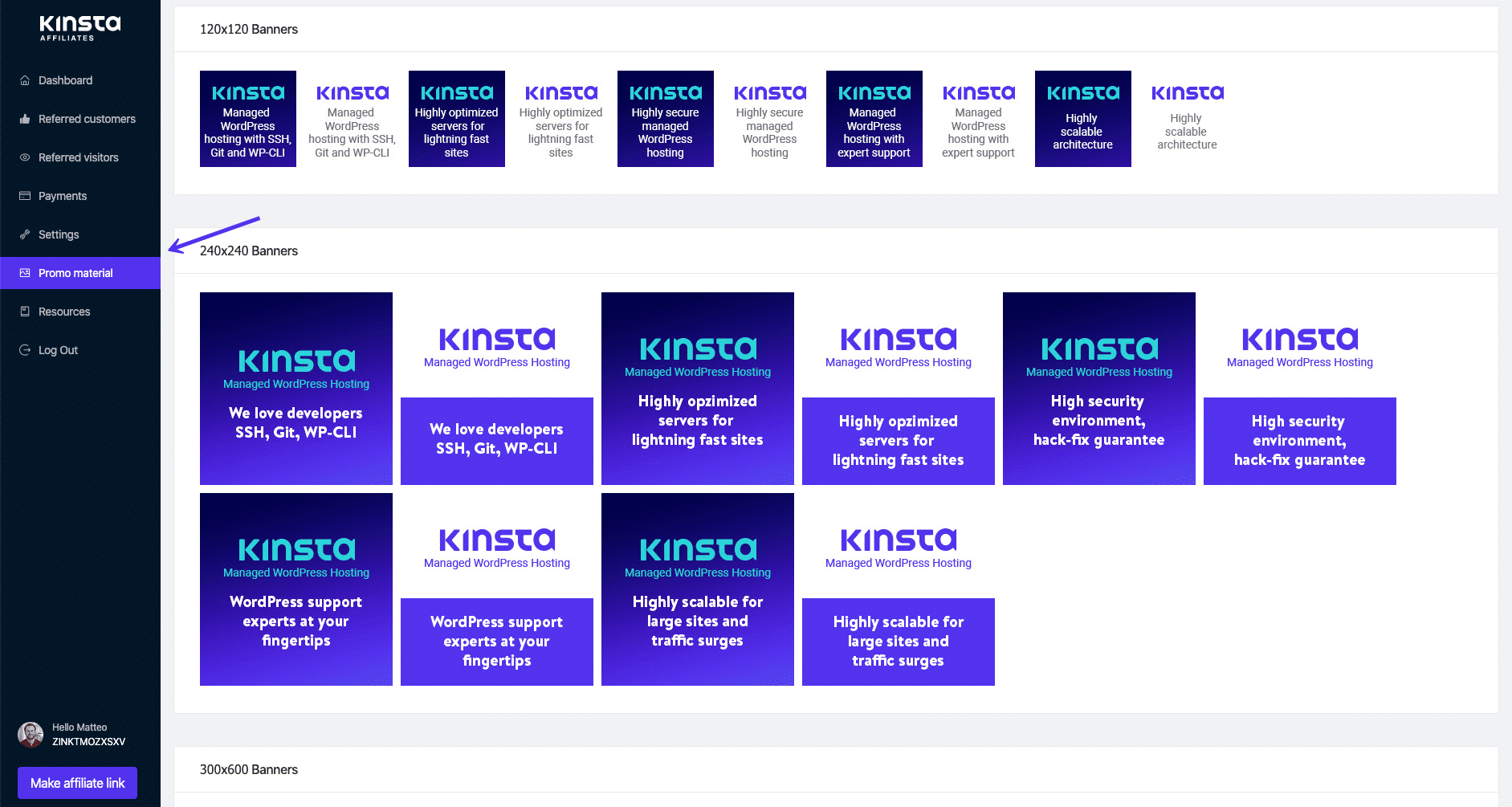
Kinsta affiliate program

Cookie duration: 60 days.

Commission:

  • Initial commission: Up to $500, depending on the hosting plan purchased.

  • Recurring commission: 10% of referred customers’ payments.

Kinsta is a managed WordPress hosting provider offering hosting solutions for businesses, developers, and website owners.

Its affiliate program combines a one-time commission for each qualifying referral with recurring payments for as long as the referred customer remains subscribed, subject to the program’s terms. This can make it an attractive option for publishers whose audiences are interested in WordPress hosting, website development, and online business.

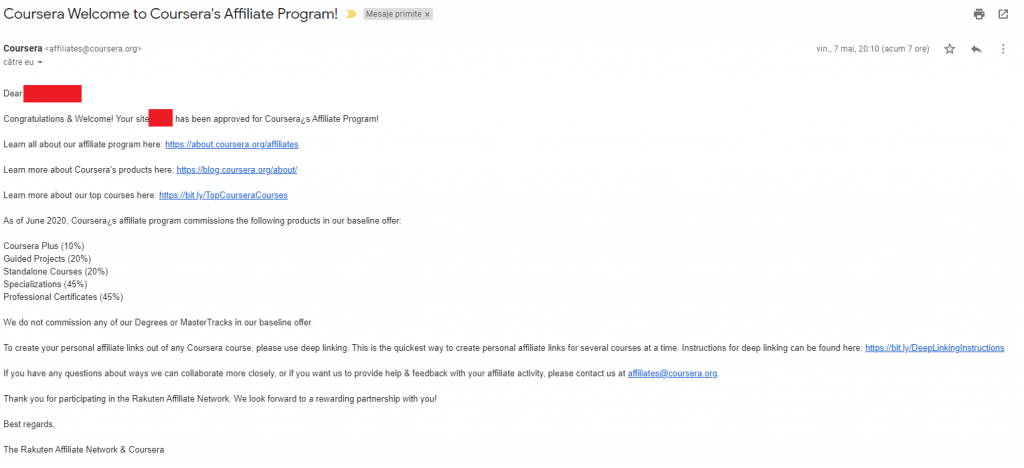
13. Coursera Affiliate Program

Coursera affiliate program

Cookie duration: 30 days.

Commission: 20% to 45%.

Coursera is an online learning platform offering courses and professional certificates in areas such as digital marketing, data analysis, business, and technology.

Its affiliate program allows publishers to earn commissions by referring users to eligible courses and learning products. Coursera provides promotional resources, including banners and a monthly newsletter with content that affiliates can use in their campaigns.

The program may be particularly relevant for education websites, career bloggers, and content creators whose audiences are interested in professional development and online learning.

14. Liquid Web Affiliate Program

Liquid Web affiliate program

Cookie duration: 90 days.

Commission: $150 or more per qualifying sale.

Liquid Web is a web hosting provider offering services such as managed hosting, dedicated servers, and database hosting.

Its affiliate program offers a commission starting at $150 per qualifying sale or 150% of the monthly hosting cost, whichever is greater. Affiliates may also receive an additional 50% bonus for qualifying prepaid plans, subject to the program’s conditions.

The program may be particularly relevant for publishers whose audiences include businesses, developers, and website owners looking for hosting solutions.

15. StrongVPN Affiliate Program

StrongVPN affiliate program

Cookie duration: 30 days.

Commission: Varies by subscription plan and referral.

StrongVPN is a VPN provider that has been offering online privacy and security services since 2006.

Its affiliate program allows publishers to earn commissions by referring customers to its VPN services. The company has advertised commission rates of up to 200% of a qualifying sale, depending on the offer and program conditions.

StrongVPN also provides affiliate tracking tools to monitor referrals, sales, and commissions. Payments are reportedly issued monthly once an affiliate’s balance reaches $100, subject to the current payment terms.

The program may be relevant for technology websites, cybersecurity blogs, and content creators covering online privacy and digital security.

16. Grammarly Affiliate Program

Grammarly affiliate program

Cookie duration: 90 days.

Commission: Varies by referral type.

Grammarly is a writing assistance platform that helps users improve grammar, spelling, clarity, and writing style. Its affiliate program may be a good fit for education websites, student resources, and blogs focused on writing, productivity, and professional development.

Affiliates can earn commissions from qualifying referrals, with payouts varying by the action completed. The program has advertised payments ranging from $0.20 for a free registration to $20 for a Premium subscription.

Grammarly also offers affiliate support, promotional resources, and potential bonuses or other incentives for high-performing partners, subject to program conditions.

17. HubSpot Affiliate Program

HubSpot affiliate program

Cookie duration: 90 days (verify current terms).

Commission:

  • One-time commission: 100% of the referred customer’s first month’s revenue.

  • Recurring commission: 15% of the referred customer’s payments.

HubSpot offers a CRM platform with tools for marketing, sales, customer service, and content management. Its affiliate program may be particularly relevant for publishers whose audiences include business owners, marketers, sales professionals, and decision-makers.

Affiliates can choose between a one-time commission based on the customer’s first month of revenue and a recurring commission model. HubSpot also provides promotional resources, including videos, banners, and content examples, along with support from its affiliate team.

The program may be a good fit for business, marketing, and technology websites covering CRM software and business growth.

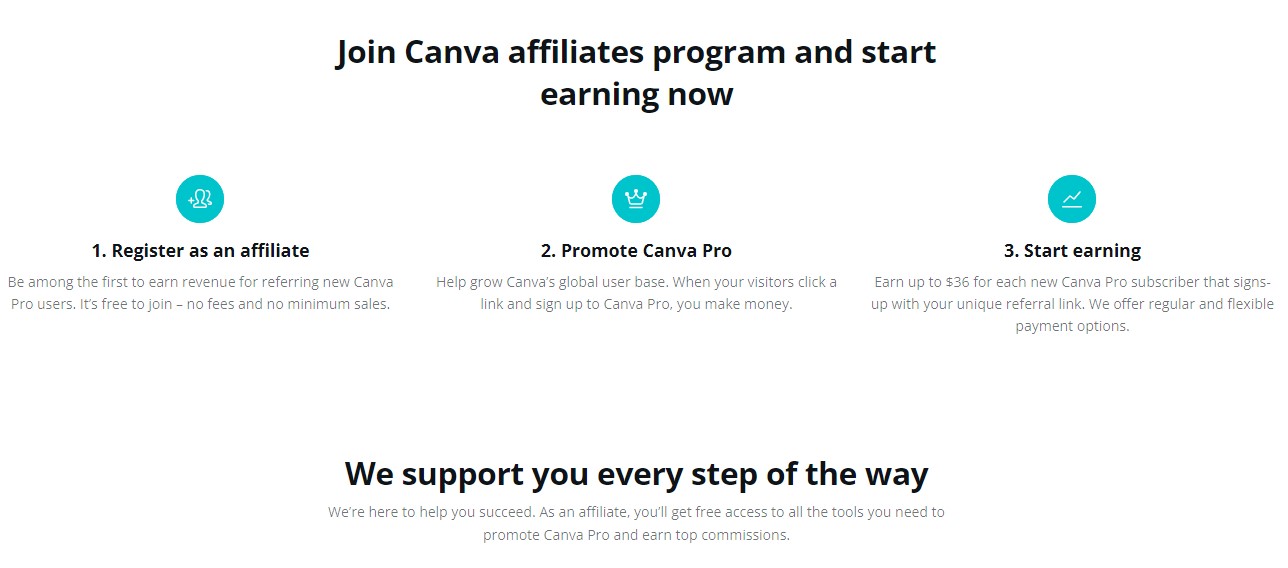
18. Canva Affiliate Program

Canva affiliate program

Cookie duration: 30 days.

Commission: Up to $36 per qualifying sale.

Canva is an online design and publishing platform that allows users to create a wide range of visual content, including logos, presentations, social media graphics, and book covers.

Its affiliate program allows publishers to earn commissions by referring new customers to Canva’s eligible products and subscriptions. Affiliates can access promotional resources and tracking tools to monitor referrals and campaign performance. PayPal may also be available as a payment method, depending on the program’s current terms.

The program may be particularly relevant for design blogs, marketing websites, educators, and content creators whose audiences are interested in graphic design and visual content creation.

Best Affiliate Programs by Category

The best affiliate program for you depends largely on your niche, content, and audience. A program that works well for a technology website may not be suitable for an education blog or an e-commerce-focused publication.

To make your search easier, here are some of the programs from our list grouped by industry.

Best Affiliate Programs for Bloggers

Bloggers can monetize their websites by promoting products and services related to their content. Website hosting, email marketing, and content creation tools are particularly relevant for audiences interested in building and growing an online presence.

Some programs to consider include:

  • Bluehost: Suitable for bloggers and website owners interested in web hosting.

  • WP Engine: Relevant for publishers covering WordPress websites and managed hosting.

  • Kit: A good fit for creators and bloggers interested in email marketing.

  • Grammarly: Relevant for websites focused on writing, education, and productivity.

Best Affiliate Programs for Digital Marketers

Digital marketers often work with tools that help businesses attract customers, manage campaigns, and improve their marketing performance. Promoting these products can be a natural fit for audiences interested in marketing technology.

Consider the following programs:

  • Semrush: SEO and digital marketing tools.

  • GetResponse: Email marketing and marketing automation.

  • HubSpot: CRM, marketing, and sales software.

  • ClickFunnels: Website and sales funnel building tools.

Best Affiliate Programs for E-commerce Websites

E-commerce publishers can promote platforms and services that help businesses create online stores, manage products, and improve their digital presence.

Relevant programs include:

  • Shopify: An e-commerce platform for building and managing online stores.

  • Wix: A website-building platform with e-commerce capabilities.

  • Canva: Design tools for creating product graphics, promotional materials, and other visual content.

Best Affiliate Programs for Education Websites

Education websites, career blogs, and learning-focused publications can benefit from promoting online courses and tools that support learning and professional development.

Some relevant options include:

  • Coursera: Online courses and professional certificates.

  • Grammarly: Writing assistance for students and professionals.

  • Fiverr Learn: Educational courses and resources available through Fiverr, subject to current program eligibility.

Best Affiliate Programs for Technology Websites

Technology websites can promote software, hosting services, and digital security products that match their readers’ interests.

Some options include:

  • Kinsta: Managed WordPress hosting.

  • Liquid Web: Hosting solutions for businesses and developers.

  • StrongVPN: VPN and online privacy services.

  • Apple: Eligible digital products and services.

High-Paying vs. Recurring Affiliate Programs: What’s the Difference?

When comparing affiliate programs, commission rates are not the only factor to consider. The way commissions are paid can also have a significant impact on your potential earnings.

Two common models are one-time commissions and recurring commissions. Understanding how they work can help you choose affiliate programs that match your audience and promotional strategy.

What Are One-Time Affiliate Commissions?

With a one-time commission model, affiliates receive a payment when a referred customer completes a qualifying action, usually making a purchase or subscribing to a service.

The commission may be a fixed amount or a percentage of the transaction value.

For example, some hosting and software affiliate programs offer a fixed payment for each qualifying customer referral. This model can be attractive to publishers who generate consistent sales and prefer receiving a larger payment upfront.

What Are Recurring Affiliate Commissions?

Recurring commissions allow affiliates to earn ongoing payments from referred customers for as long as those customers maintain eligible subscriptions, subject to the program’s terms.

This model is common among SaaS companies and subscription-based services.

For example, affiliate programs offered by some email marketing and software providers pay a percentage of subscription revenue. This can create a longer-term revenue opportunity when referred customers remain active.

Which Affiliate Commission Model Is Better?

Neither model is automatically better. The right choice depends on your audience, promotional strategy, and the products you choose to promote.

FactorOne-Time CommissionsRecurring Commissions
Payment structureA single qualifying paymentOngoing payments from eligible subscriptions
Revenue potentialDepends on the number and value of conversionsDepends on customer retention and subscription value
Payment frequencyUsually tied to qualifying conversionsContinues while referrals remain eligible
Best suited forProducts with one-time purchases or fixed referral feesSubscription-based products and services


Before joining an affiliate program, review its commission conditions, attribution rules, and payment terms. A recurring commission may look attractive, but its actual value depends on how long referred customers remain subscribed and whether the program continues to qualify those subscriptions.

How to Join an Affiliate Program

Joining an affiliate program is usually straightforward, although the application process and eligibility requirements vary between companies.

If you are new to affiliate marketing, follow these steps to get started:

1. Choose a Relevant Affiliate Program

Start by identifying products or services that match your website, social media content, or audience’s interests. Promoting relevant products makes it easier to create useful recommendations and build trust with your followers.

2. Review the Program Requirements

Before applying, check the program’s eligibility criteria, commission structure, cookie duration, payment conditions, and promotional guidelines. Some companies accept beginners, while others expect applicants to have an established website or audience.

3. Submit Your Application

Visit the company’s affiliate program page and complete the registration form. You may need to provide information about your website, audience, traffic sources, and promotional methods.

4. Wait for Approval

Some affiliate programs approve applications automatically, while others review each publisher individually. The approval process can depend on your content quality, audience relevance, and compliance with the program’s requirements.

5. Get Your Affiliate Links and Promotional Materials

Once approved, you can access your affiliate dashboard and generate tracking links. Many programs also provide banners, product descriptions, and other promotional resources.

6. Start Promoting and Tracking Your Results

Include affiliate links in relevant blog posts, product reviews, tutorials, newsletters, and other content. Monitor clicks, conversions, and commissions through the affiliate dashboard to understand which promotional methods work best.

Remember to disclose affiliate relationships clearly and follow the applicable advertising and disclosure requirements in your target markets.

Conclusion

Affiliate programs offer bloggers, influencers, podcasters, and website owners an opportunity to monetize their content by promoting products and services relevant to their audiences. Whether you run a niche website, create educational content, or build a social media following, affiliate marketing can become an additional source of income.

Choosing the right program starts with audience relevance. Consider whether the products match your content, compare commission structures and cookie durations, and review payment terms and eligibility requirements before joining. A program with a lower commission rate may deliver better results if its products genuinely meet your audience’s needs.

If you’re a content creator or publisher looking to discover more partnership opportunities, Affise Reach can help connect you with brands and advertisers. Explore the platform to find potential partners and new ways to monetize your audience.

Frequently Asked Questions

1. How do I choose the right affiliate program?

Start by looking for products and services that are relevant to your audience. Then compare commission rates, cookie durations, payment terms, and eligibility requirements. Consider the program’s reputation, available promotional materials, and affiliate support as well. A program with a lower commission may be more profitable if its products are a better fit for your audience.

2. How do affiliate programs pay their partners?

Affiliate programs typically pay commissions when referred users complete specific actions, such as making a purchase, submitting a lead, or signing up for a subscription. Common commission models include pay-per-sale, pay-per-lead, fixed payments, and recurring commissions. Payment frequency, minimum payout thresholds, and supported payment methods vary by program, so review these conditions before joining.


3. What is the difference between affiliate marketing and performance marketing?

Affiliate marketing is a type of performance marketing in which businesses work with external partners to promote products or services in exchange for commissions. Performance marketing is a broader term that covers digital advertising campaigns where payment is tied to measurable results, such as clicks, leads, or sales. Affiliate marketing is therefore one of several approaches within performance marketing.

Sign up now to access the best affiliate offers

This article is reffered with:

Share this article
Affise Academy

Written by

Affise Academy

Affise is a partner marketing platform for brands, advertisers and agencies to scale via all possible performance marketing channels. Synergy of technology and our long standing experience lets you expand your partnerships, automate every step of the campaign lifecycle and make data-driven decisions.

See all articles →

Sign up to receive our newsletter

Stay on top of the competition. Let us keep you updated with news, insights, and more

email envelope