- Blog
- Tips & Guides
- How to set up Parallel Tracking in Google Ads (AdWords)
How to set up Parallel Tracking in Google Ads (AdWords)
We have told you recently that last year Google introduced new optional feature that decreased the probability of bounce – Parallel Tracking. From October 30, 2018 Parallel Tracking is no longer optional, but becomes a must for all accounts.
What is Parallel Tracking?
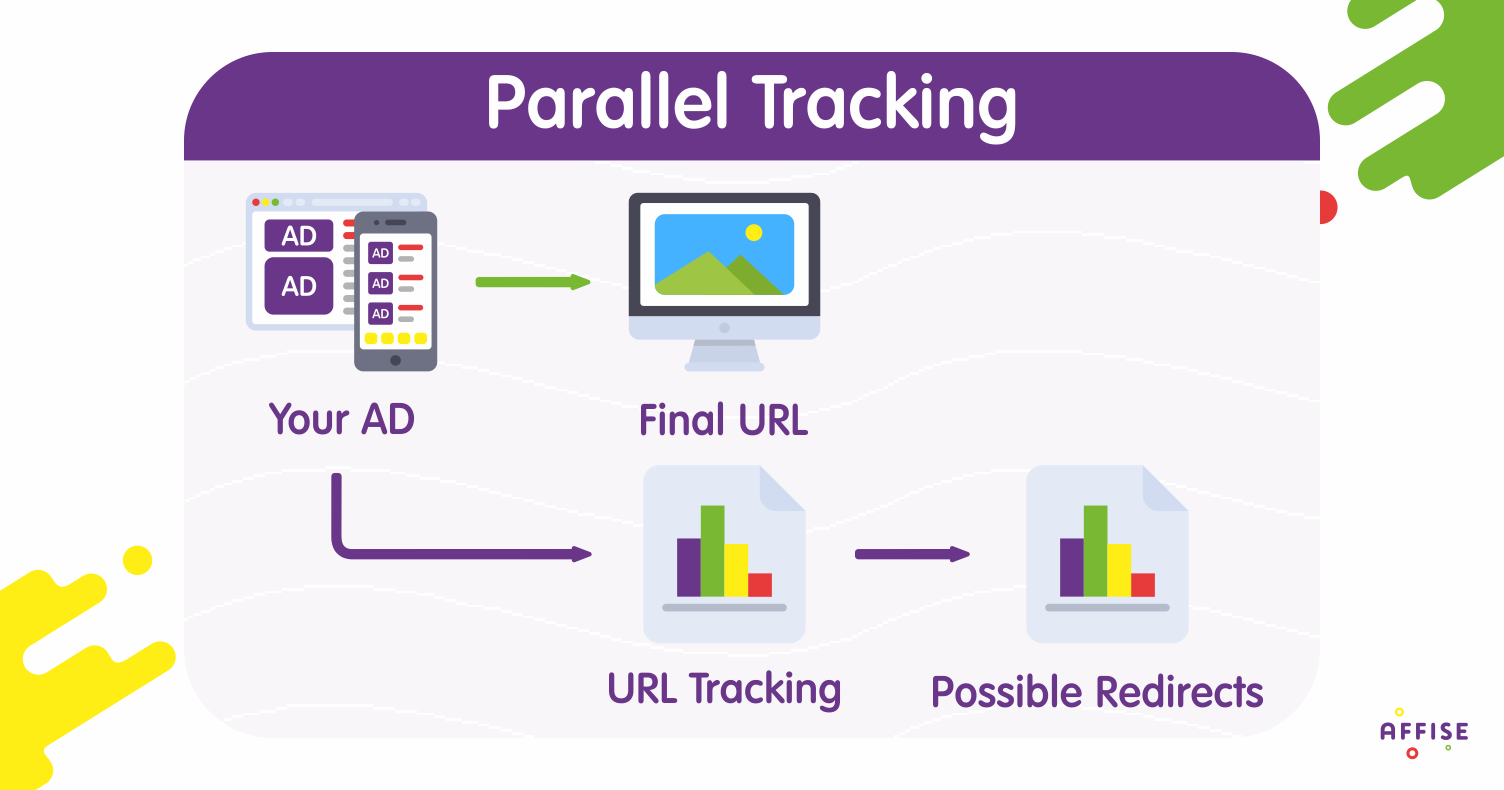
Parallel tracking is a new way of tracking requests’ processing . Before, customers went through one or more redirects before they saw the page. New technology speeds up the transition, by processing all of them in the background, what reduces lost visits. As a result, this increases conversions and improves ad performance.
Imagine you use click tracking. Depending on the ad type and network, you specify the needed page URL in the finalUrls, finalMobileUrls or finalAppUrls field. In case of custom click tracking you also have to fill in thetrackingUrlTemplate field to specify the URL of your tracking server. In case of sequential tracking, when user clicks your ad they are taken to your page URL through several redirects:
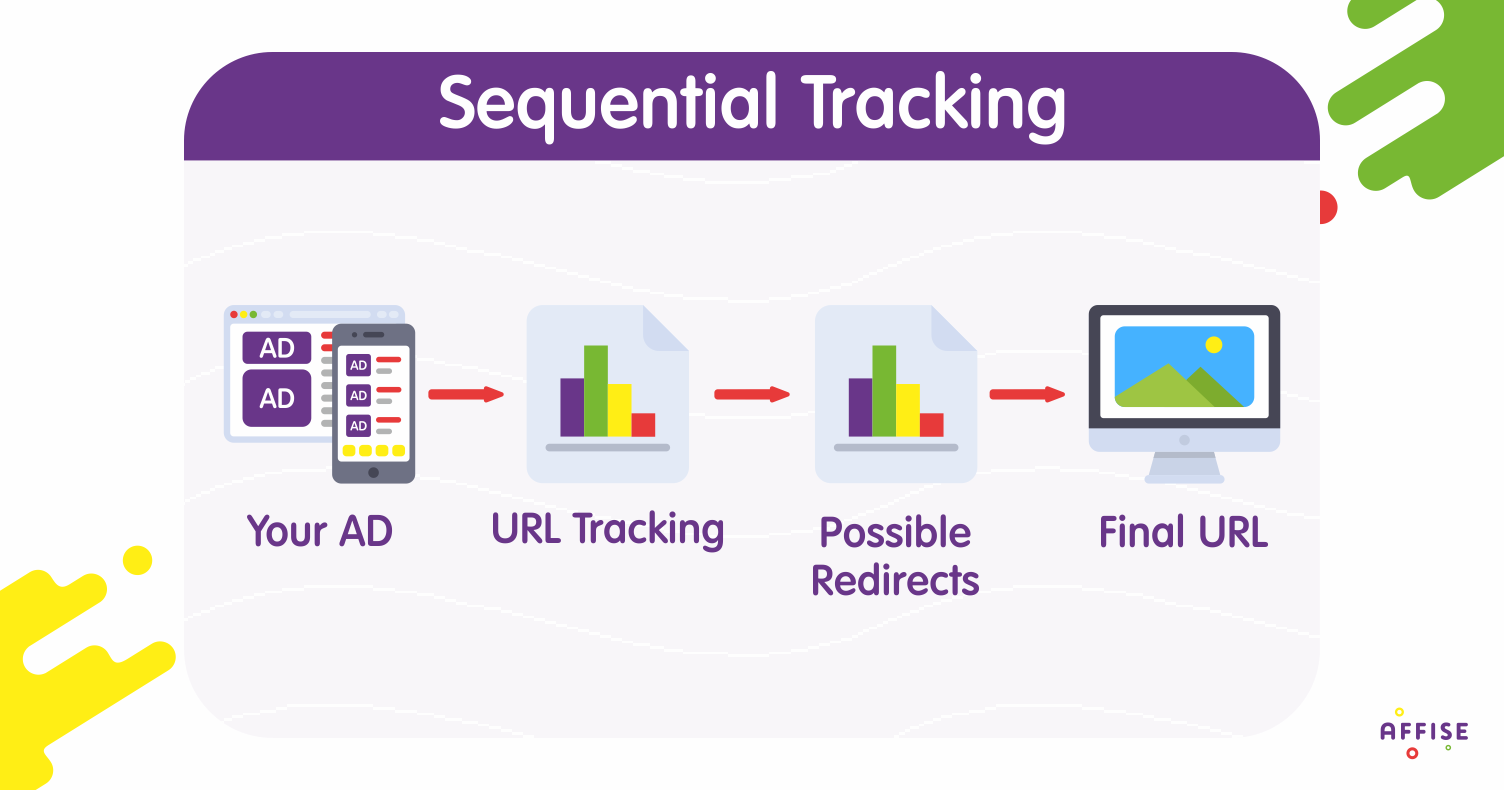
When you use Parallel Tracking the interaction takes the following form:
How to Setup Parallel Tracking?
First of all, it is important to make sure your agency or platform is compatible with Google Ads Parallel Tracking. If it is not, your URLs may not be working, once the parallel tracking feature is on.
Before moving to parallel tracking, it is necessary to ensure compliance with certain technical requirements. Check the following points on how to get ready to the implementation of parallel tracking successfully.
Google Click Identifier
Make use of auto-tagging to carry out the GCLID (Google Click Identifier). Add GCLID to the end of URLs of the landing page and tracking template. Consequently, on-page tags (i.e., Google Analytics) and tracking servers will process it, making it possible to use it as a shared key for combining traffic information.
Ads’ Editing
In case you alter your ads, the verification procedure will be triggered and your ad will be suspended by the time the process is completed. In case the level of changes is higher (e.g. ad group, campaign, account), the verification procedure is going to be carried out in the background, what lets the ads to be shown if they are not flagged.
How to use parallel tracking at Google Ads interface?
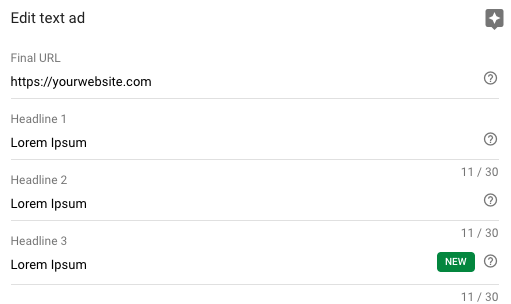
Actually, it is pretty simple. Insert your landing page URL into this field:
The URL received from your tracking system is to be inserted here:
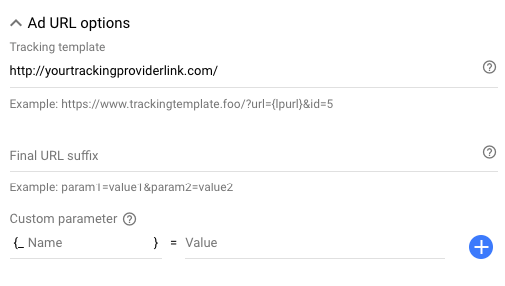
Insert all the additional url parameters, UTMs and stuff into the window with the tracking link. It goes in addition to the tracking link of the tracking service provider now, but not to your site’s address as before.
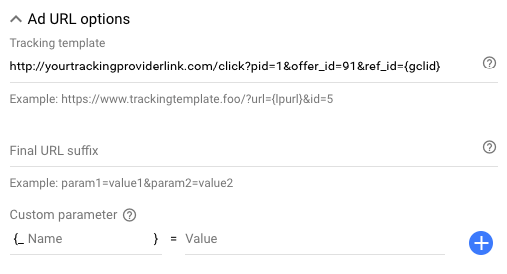
That’s it! You are finally set up. As you can see, it is not as difficult as it might seem. Stay affised and don’t miss our new guidelines and tips!
Frequently Asked Questions
1. What is parallel tracking in Google Ads, and how does it improve user experience?
Parallel tracking is a method used by Google Ads to process click-tracking requests in the background while sending the user directly to the target page. Under traditional sequential tracking, a user clicking on an ad undergoes one or more intermediate redirects before reaching the final landing page. In contrast, parallel tracking loads the tracking template and click parameters on the backend, which speeds up load times and reduces bounce rates. This seamless transition boosts visitor retention, leading to improved ad performance and higher overall conversions. For a broader overview of results-based advertising strategies, you can explore our comprehensive guide on performance marketing core concepts and key strategies.
2. What technical prerequisites must be met before enabling parallel tracking?
Before activating parallel tracking in your Google Ads account, you must confirm that your tracking system, agency, or platform is compatible with the technology. Technically, you need to use Google’s auto-tagging feature to generate the Google Click Identifier (GCLID). This GCLID parameter must be attached to the end of both your landing page URL and your tracking template URL so that on-page tags and tracking servers can use it as a shared key for joining traffic data. If you want to dive deeper into automated workflows and tracking configurations, read our insights on strategies for performance marketing automation.
3. How do you configure parallel tracking URLs in the Google Ads interface?
To set up parallel tracking in Google Ads, enter your destination page URL directly into the finalUrls, finalMobileUrls, or finalAppUrls field. Next, place the link generated by your tracking service provider into the tracking template field (trackingUrlTemplate). Any extra URL parameters, such as custom tracking tags or UTM parameters, should then be added into the final URL suffix or custom parameters section rather than being appended directly to your site’s main address as done previously. To stay ahead of industry shifts and updates across advertising channels, check out our analysis on upcoming performance marketing trends.
Written by
Affise Academy
Affise is a partner marketing platform for brands, advertisers and agencies to scale via all possible performance marketing channels. Synergy of technology and our long standing experience lets you expand your partnerships, automate every step of the campaign lifecycle and make data-driven decisions.
See all articles →