Types of Client Referral Email Templates
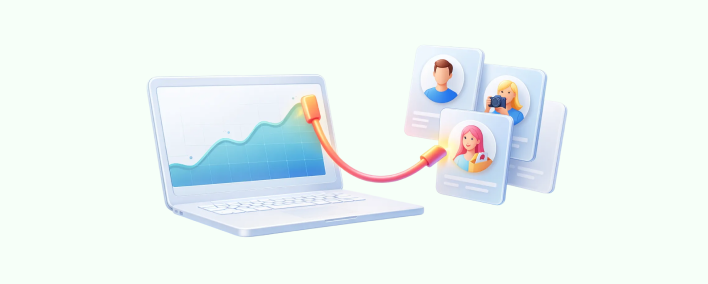
Client referral email templates generally fall into two categories: personalized referral requests and referral program emails. Both approaches encourage people to recommend your business, but they differ in their audience, level of personalization, and timing.
Personalized vs. Referral Program Email Templates
| Personalized Referral Emails | Referral Program Emails |
|---|
| Sent individually to specific clients or business contacts. | Sent to a broader audience through a referral program or email campaign. |
| Include details about the recipient’s relationship with your business. | Use a standardized message that can be adapted for different audience segments. |
| Work well for satisfied customers, long-term clients, and professional contacts. | Work well for inviting eligible customers to participate in an established referral program. |
| Usually request a personal introduction or recommendation. | Typically explain how the referral program works and how participants can share their referral links or codes. |
| Best sent when there is a clear reason to reach out, such as positive feedback or a successful project. | Can be sent during program launches, customer onboarding, or relevant follow-up campaigns. |
When to Use Personalized Client Referral Emails
Personalized referral requests are particularly suitable for customers who have expressed satisfaction with your product or service, completed a successful project, or maintained a positive relationship with your business.
These emails should reference the recipient’s experience and explain what type of referral would be helpful. For example, you might ask a satisfied client whether they know another business facing a similar challenge.
The best time to request a referral is often after a positive customer interaction, such as receiving favorable feedback, completing a successful engagement, or reaching an important milestone.
When to Use Referral Program Emails
Referral program emails are useful when businesses want to invite multiple customers to recommend their products or services through a structured program.
Unlike individual referral requests, these messages typically explain the program’s benefits, participation requirements, and referral process. They may include personalized elements, such as the recipient’s name or unique referral link, even when sent through an automated email campaign.
Businesses can use referral program emails to announce a new program, remind eligible customers about available rewards, or encourage participation after a positive customer experience.
Related Resources
To explore different referral marketing approaches, see our guides to referral marketing ideas, referral introduction emails, and referral marketing systems.
Understanding these two approaches will help you choose the most suitable email template for your audience. The following examples cover common situations, from requesting referrals from satisfied clients to reaching out to professional contacts.
10 Client Referral Email Templates for Different Situations
The following client referral email templates cover common situations, from inviting customers to join a referral program to requesting introductions from long-term clients and professional contacts. Each example includes a suggested subject line and placeholders you can customize before sending.
Choose the template that best matches your relationship with the recipient, and personalize it with relevant details about your business.
Template 1: Referral Program Invitation Email
Best for: Inviting existing customers to participate in a referral program.
When reaching a broader audience, keep the message simple and explain how customers can share your business with others. A dedicated referral software platform can help manage referral links, monitor participation, and track eligible conversions.
Subject: Know someone who could benefit from [Product/Service]?
Hi [First Name],
Thank you for being a valued customer of [Business Name]!
If you know someone who could benefit from [Product/Service], we’d love for you to introduce them to us.
Here’s how our referral program works:
- Share your personal referral link with someone who might be interested.
- They use your link to [Complete a qualifying action].
- You receive [Referral Reward] once the program requirements are met.
Your referral link: [Personalized Referral Link]
We appreciate your support! If you have any questions about the program, feel free to reply to this email.
Best regards,
[Your Name]
[Business Name]
Template 2: Asking a Loyal Client for a Referral
Best for: Long-term customers, repeat buyers, and clients with an established relationship.
Loyal customers already know your business, making them natural candidates for a personalized referral request. Acknowledge their continued support and explain what type of introduction would be helpful.
Subject: A quick favor, [First Name]?
Hi [First Name],
I hope you’re doing well!
I wanted to thank you for continuing to work with [Business Name]. We’ve really appreciated the opportunity to support you with [Product/Service].
I also wanted to ask a small favor.
Do you know anyone who might benefit from [Product/Service], particularly [Description of Ideal Customer]?
If someone comes to mind, I’d appreciate an introduction. I’d be happy to explain how we could help and answer any questions they might have.
Of course, there’s no pressure. We genuinely value our relationship with you.
Thanks again for your continued trust!
Best regards,
[Your Name]
Template 3: Asking a New Client for a Referral
Best for: New customers who have already expressed satisfaction with your product or service.
For newer clients, timing matters. Wait until they’ve experienced meaningful value or shared positive feedback before introducing a referral request.
Subject: Glad you’re enjoying [Product/Service]!
Hi [First Name],
I’m glad to hear that your experience with [Product/Service] has been positive so far!
It’s been a pleasure working with you, and I hope we can continue supporting your goals.
I wanted to ask whether you know anyone who might benefit from something similar.
We’re currently helping [Description of Target Audience] with [Specific Problem or Goal], so an introduction to someone facing that challenge would mean a lot.
If someone comes to mind, feel free to connect us by email.
Thanks again, and please don’t hesitate to reach out if there’s anything else we can help with.
Best regards,
[Your Name]
Template 4: Asking a Business Partner or Vendor for a Referral
Best for: Professional partners, vendors, service providers, and other businesses serving a similar audience.
Business partners may know potential customers who need complementary products or services. Keep the request mutually relevant rather than asking for referrals without explaining the potential value.
Subject: Exploring a potential referral opportunity
Hi [First Name],
I hope things are going well!
I’ve enjoyed working with [Partner Company], and I wanted to explore whether there might be an opportunity for us to introduce relevant clients to each other.
At [Business Name], we help [Target Audience] with [Product/Service or Business Challenge].
Since our businesses serve related audiences, I thought there might be situations where your clients could benefit from our services.
If someone comes to mind, I’d appreciate an introduction. I’d also be happy to keep your services in mind when speaking with businesses that could benefit from what you offer.
Would you be open to exploring this?
Best regards,
[Your Name]
Template 5: Asking for a Referral After Positive Feedback
Best for: Customers who recently shared a positive review, testimonial, or comment.
Positive feedback creates a natural opportunity to request a referral. Begin by acknowledging the customer’s experience, then make a brief, relevant request.
Subject: Thank you for your feedback, [First Name]!
Hi [First Name],
Thank you for sharing your feedback about [Product/Service]!
We’re really pleased to hear that [Reference to Their Positive Experience].
It’s always encouraging to know that our work is making a difference.
Since you’ve had a positive experience, I wanted to ask whether you know anyone else who might benefit from [Product/Service].
If someone comes to mind, an introduction would be greatly appreciated.
Thanks again for your support and for taking the time to share your experience!
Best regards,
[Your Name]
Template 6: Asking for a Referral After a Customer Satisfaction Survey
Best for: Customers who recently provided positive survey feedback.
Customer satisfaction surveys can help identify people who are pleased with your product or service. When following up, acknowledge their specific feedback rather than sending a generic referral request.
Subject: Thanks for your feedback — one quick question
Hi [First Name],
Thank you for taking the time to complete our recent customer satisfaction survey.
We really appreciate your feedback, especially your comments about [Specific Positive Feedback].
I’m glad to hear that [Product/Service] has been helpful.
I also wanted to ask whether you know anyone who might benefit from a similar experience.
If you have a colleague, friend, or business contact who could use [Product/Service], we’d be grateful for an introduction.
Thanks again for sharing your thoughts!
Best regards,
[Your Name]
Template 7: Asking Your Professional Network for Referrals
Best for: Former colleagues, professional contacts, networking groups, and acquaintances.
People in your professional network may not know exactly what your business offers. Briefly explain what you do and describe the type of customer you’re looking for.
Subject: Do you know anyone looking for [Solution]?
Hi [First Name],
I hope you’re doing well!
I wanted to share a quick update about what we’re doing at [Business Name].
We help [Target Audience] solve [Specific Problem] through [Product/Service].
We’re currently looking to connect with more businesses that could benefit from this solution.
If you know anyone who might be interested, I’d really appreciate an introduction.
And if there’s ever an opportunity for me to help someone in your network, please feel free to reach out.
Thanks for keeping us in mind!
Best regards,
[Your Name]
Template 8: Following Up on a Client Referral Request
Best for: Following up when someone hasn’t responded to your original referral email.
A short, polite reminder is usually more appropriate than repeating the entire request. Give the recipient an easy way to respond without creating pressure.
Subject: Quick follow-up on my referral request
Hi [First Name],
I hope you’re doing well!
I just wanted to follow up on my previous email about potential referrals.
We’re still looking to connect with [Description of Ideal Customer] who might benefit from [Product/Service].
If someone comes to mind, I’d be grateful for an introduction.
And if not, no worries at all!
Thanks again for your time.
Best regards,
[Your Name]
Template 9: Thanking Someone Who Agrees to Refer You
Best for: Responding when a client or professional contact agrees to introduce your business to someone.
When someone offers to help, acknowledge their willingness and make the introduction as easy as possible.
Subject: Thank you for offering to help!
Hi [First Name],
Thank you so much for offering to introduce us to someone in your network!
I really appreciate your support.
To make things easier, here’s a short description of what we do that you can share:
“[Business Name] helps [Target Audience] with [Specific Problem] through [Product/Service]. If this sounds relevant, I’d be happy to introduce you to [Your Name].”
Feel free to adapt the wording however you like.
Thanks again for thinking of us!
Best regards,
[Your Name]
Template 10: Thanking a Client for a Referral
Best for: Acknowledging an introduction and maintaining a positive relationship with the referrer.
Thanking someone after a referral is an important part of maintaining the relationship, regardless of whether the introduction results in a sale.
Option A: Thanking Someone After a Successful Referral
Subject: Thank you for the introduction!
Hi [First Name],
I wanted to personally thank you for introducing us to [Referred Person’s Name].
I’m happy to share that we’ve started working together, and we’re looking forward to helping them with [Product/Service].
We really appreciate the trust you’ve placed in us.
[If applicable: As part of our referral program, you’ll receive [Reward] according to the program terms.]
Thank you again for your support. It means a lot to our team!
Best regards,
[Your Name]
Option B: Thanking Someone When a Referral Doesn’t Convert
Subject: Thanks again for connecting us
Hi [First Name],
Thank you for introducing us to [Referred Person’s Name]!
Although we won’t be moving forward together at this stage, I really appreciate you taking the time to make the connection.
It was helpful to learn more about their needs, and I’m grateful that you thought of us.
Thanks again for your continued support. I hope we can return the favor sometime!
Best regards,
[Your Name]
Tips for Personalizing Client Referral Emails
These client referral email templates provide a starting point, but the most effective message will reflect your relationship with the recipient.
Before sending a referral request, consider the recipient’s experience with your business, the type of introduction you’re requesting, and whether your message provides enough context for someone to respond.
Keep the email concise, use a clear subject line, and explain what action you’d like the recipient to take. When requesting introductions, respect the privacy of potential referrals and avoid collecting someone else’s contact details without an appropriate basis.
If you offer referral incentives, explain the relevant eligibility conditions and ensure they comply with your program terms and applicable requirements.
Above all, make it easy for people to help without making them feel obligated.
9 Best Practices for Asking Clients for Referrals
Knowing how to ask clients for referrals can make the process feel more natural and improve the quality of your outreach. Whether you’re contacting a long-term customer, a business partner, or someone in your professional network, the goal is to make your request relevant, respectful, and easy to respond to.
The following best practices can help you personalize your client referral emails, choose an appropriate time to reach out, and encourage meaningful introductions.
1. Build Strong Customer Relationships