






Take your app to the next level with Affise MMP (Mobile Measurement Partner)
Join Now ⚡
Postback Tracking: The Brain of Affiliate Marketing Postback Tracking: The Brain of Affiliate Marketing

  • Blog
  • Tips & Guides
  • Postback tracking demystified: why it’s the brain of affiliate marketing

Postback tracking demystified: why it’s the brain of affiliate marketing

In affiliate marketing, where speed and precision can make or break a campaign, reliable tracking is the backbone of success. Platforms like Affise depend on accurate performance data to help marketers understand which campaigns are driving results, where conversions occur, and how to optimize strategies in real time. At the core of this tracking system is a powerful yet often misunderstood method called postback tracking. 

While pixels and cookies tend to steal the spotlight, postbacks quietly power the backend, handling attribution with greater accuracy and resilience. In fact, many industry experts consider postback tracking the true brain of modern affiliate marketing.

In this article, we’ll break down what postback tracking is, how it works, why it’s essential, and how it enables smarter decisions and better ROI for affiliate programs.

What is postback tracking?

Postback tracking, sometimes referred to as server-to-server (S2S) tracking, is a method of passing conversion data between servers without relying on browser-based cookies or pixels. When a user completes an action such as a sale, sign-up, or install, a signal (known as the postback URL) is sent from the advertiser’s server to the affiliate network or tracking platform.

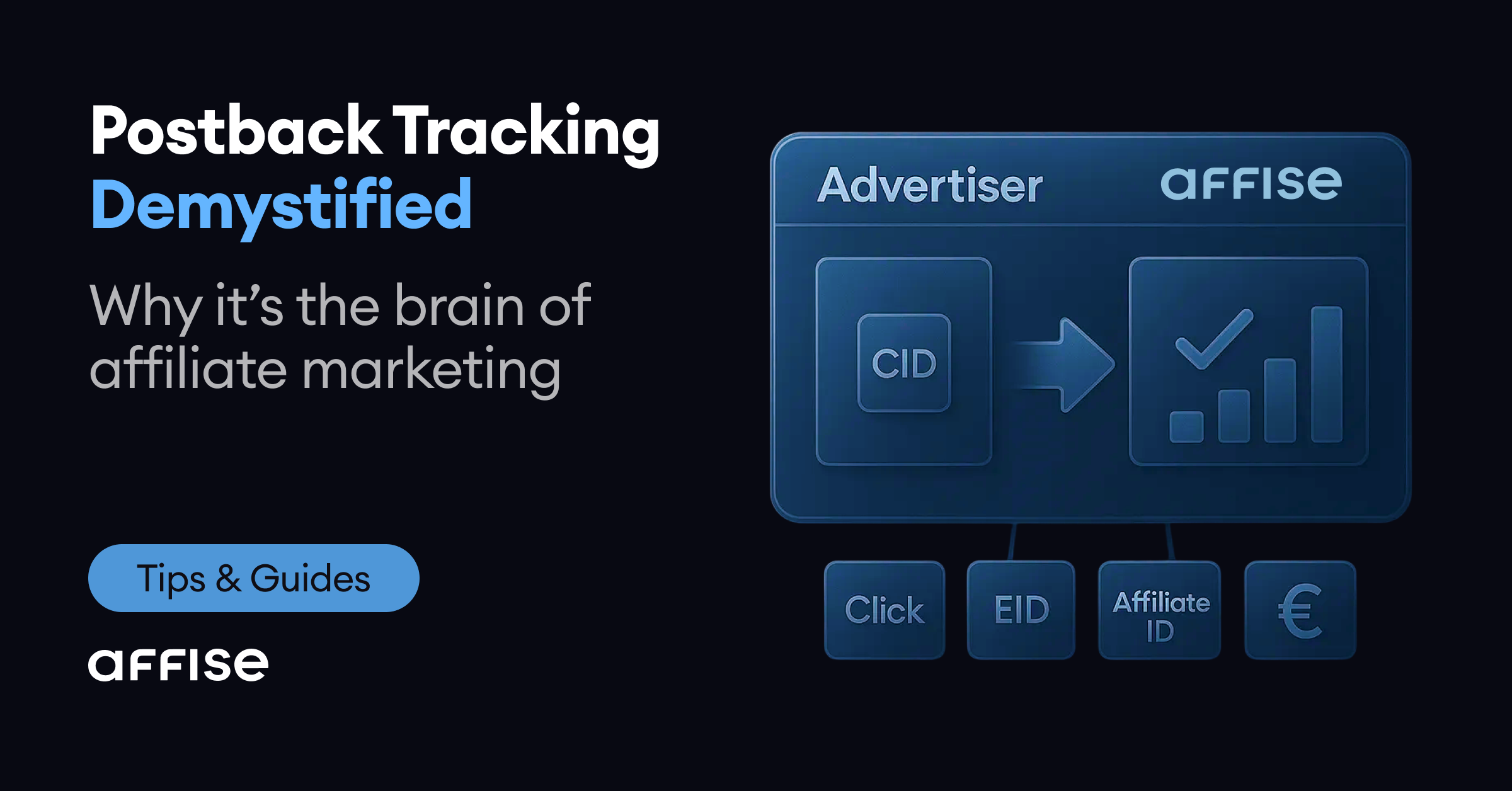
This signal contains crucial information like the unique click ID, conversion time, payout, and other data that ties the conversion to a specific user journey or affiliate.

Key elements in a postback URL:

  • Click ID: a unique identifier for each click.
  • Event ID or action type: for example, registration or purchase.
  • Payout value: the amount earned for the conversion.
  • Affiliate ID: identifies the source of the traffic.

Why postback tracking is the brain, not just the backbone

Many marketers think of postback tracking as part of the technical setup. But it is much more than that. Postback tracking keeps affiliate programs smart, responsive, and scalable. Here’s why:

1. It makes performance transparent

Postbacks ensure that advertisers, networks, and affiliates all receive the same data at the same time. This shared visibility helps eliminate confusion or disputes about reported conversions and payments. Everyone is aligned around the same real-time data.

2. It powers automation

With postback tracking in place, there is no need for manual reporting. Platforms like Affise use postbacks to automatically:

  • Credit conversions to affiliates
  • Calculate and trigger payouts
  • Enforce conversion caps or traffic restrictions
  • Send additional conversion data to external systems such as CRMs or dashboards


This level of automation saves time, reduces errors, and makes it possible to scale without adding operational complexity.

3. It drives smarter optimization

Postbacks deliver instant feedback. This allows affiliate managers to spot trends, pause underperforming offers, or shift budget quickly. Whether you are filtering for lead quality or identifying high-ROI sources, postbacks give you the visibility you need to optimize in real time.

4. It enables multi-event attribution

Not all conversions carry the same value. A lead is different from a purchase. A trial account is different from a first-time deposit. Postback tracking lets advertisers define and track multiple conversion types, assigning value to each. This level of detail is essential for optimizing performance models like CPA, CPL, or revenue share.

Postbacks in action: how Affise uses them

In Affise Performance, postback tracking is a core feature. Advertisers can create postback URLs that include dynamic data parameters such as click ID, payout amount, goal name, and more. Affiliates can also receive their own postbacks to track sub-affiliate activity or send conversion data to other tools.

Here is what Affise enables through postback tracking:

  • Custom multi-event tracking for actions like installs, registrations, or sales
  • Advanced fraud prevention with secure tokens and IP validation
  • Real-time performance reporting for all parties involved
  • Seamless integration with third-party tools including analytics platforms and mobile measurement partners

Affise turns postback tracking into a flexible and dependable data pipeline that supports long-term growth.

Common misconceptions about postback tracking

Let’s look at most common misconceptions:

  • “It is too technical”
    Postbacks may sound complex, but once set up, they run silently and automatically. The initial integration may require help from a developer, but the benefits are long-term and continuous.
  • “Pixels are simpler”
    Pixels might seem easier, but they are far less reliable. Ad blockers, browser privacy features, and cookie limitations can all interfere with pixel tracking. Postbacks bypass all of those issues.
  • “Only big campaigns need postbacks”
    Even small campaigns benefit from real-time, accurate data. And if your goal is to grow, postback tracking will become essential sooner than you think.

Postback tracking is not just a technical feature. It is the logic engine that powers automation, transparency, and performance in affiliate marketing. Without it, you are operating in the dark. With it, you can confidently scale and optimize your campaigns.

Platforms have made postback tracking easy to use and deeply customizable. Whether you are managing one partner or thousands, tracking a single conversion event or multiple goals, postbacks give you the control and clarity you need to succeed.

If you want to compete in performance marketing today, postback tracking is not optional. It is your strategic advantage.

Share this article
Daria Mamchenkova

Written by

Daria is a dedicated Content Writer driven by her passion for crafting crystal-clear articles. Her passion lies in crafting articles that unravel complex concepts and make them easily digestible for readers. She is enthusiastic about acquiring new skills. Daria loves to explore the world of affiliate marketing, helping businesses and readers understand the intricacies of this industry.


Sign up to receive our newsletter

Stay on top of the competition. Let us keep you updated with news, insights, and more

email envelope