






Take your app to the next level with Affise MMP (Mobile Measurement Partner)
Join Now ⚡
B2B Referral Program Software: Buildng a Referral Engine B2B Referral Program Software: Buildng a Referral Engine

  • Blog
  • Tips & Guides
  • B2B Referral Program Software: How to Build a Scalable Referral Engine

B2B Referral Program Software: How to Build a Scalable Referral Engine

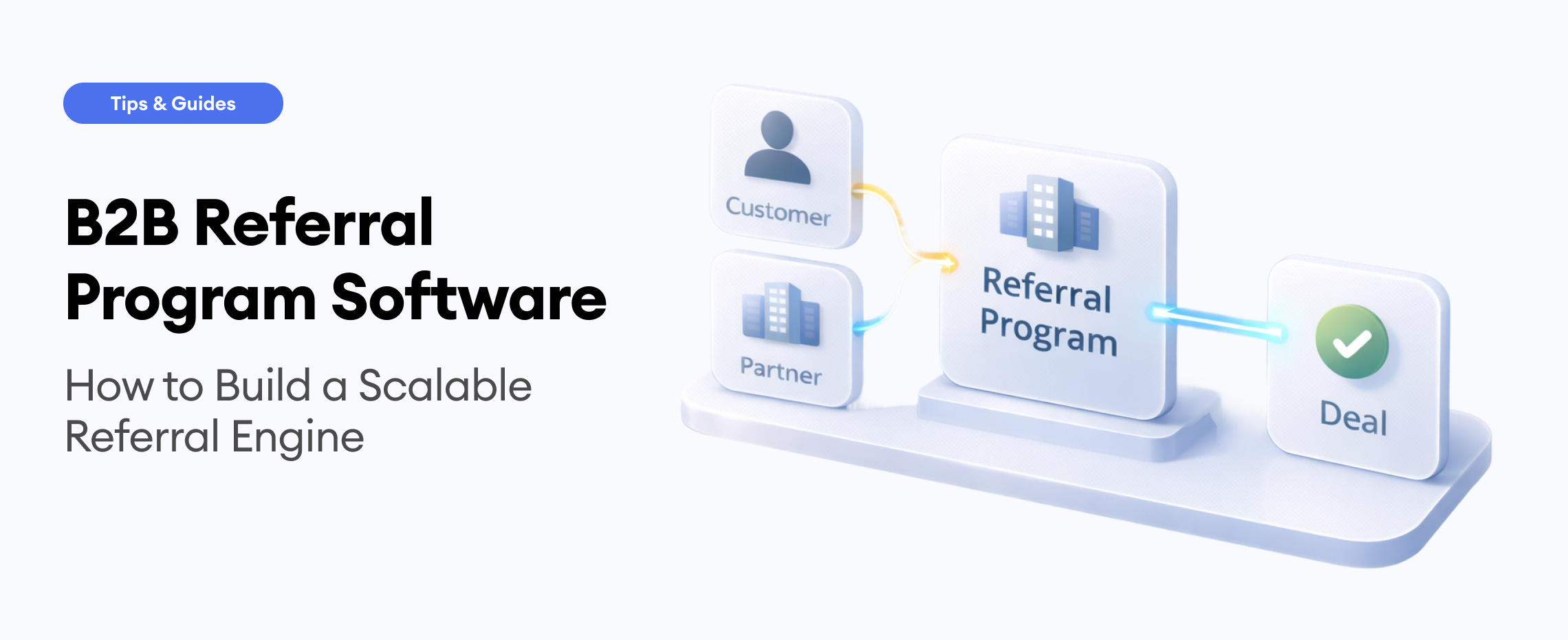
In B2B markets, growth rarely happens overnight. Enterprise buyers move cautiously, deals involve multiple stakeholders, and trust plays a decisive role in every stage of the journey. That is why referrals are not simply another acquisition channel. They are often the most reliable source of high-intent pipeline.

However, informal word of mouth is not enough if your goal is predictable and scalable growth. As your company expands, referrals must be tracked, attributed, rewarded, and optimized with the same rigor as paid acquisition or outbound sales. This is where referral program software becomes essential. It transforms scattered recommendations into a structured growth engine that can be measured, forecasted, and scaled.

This article explores how to build that engine using B2B referral program software properly, from strategic foundations to operational execution.

Why referrals are a strategic growth lever in B2B

B2B purchasing decisions carry financial and reputational risk. Executives prefer vendors that come recommended by someone they trust. In B2B environments, that trust factor is amplified because contracts are larger and commitments last longer.

Referral leads behave differently from cold prospects. They convert faster because initial skepticism is lower. They close at higher rates because social proof reduces uncertainty. They often bring higher lifetime value because they enter the relationship with aligned expectations.

Yet many companies treat referrals as an informal bonus rather than a structured channel. Sales teams might manually note introductions in a CRM, or marketing might offer occasional incentives without consistent tracking. This approach works at a small scale but quickly breaks down as deal volume increases.

A scalable referral program requires systems, clear rules, and automation. Without them, attribution disputes arise, payouts become inconsistent, and trust erodes among partners and customers.

What makes B2B referral programs complex

B2B referral programs differ significantly from simple consumer referral campaigns. In consumer markets, the conversion path is short and attribution is relatively straightforward. In B2B, a referral may initiate a conversation that evolves over months before becoming revenue.

Multiple stakeholders may engage with your brand during that time. Marketing campaigns, sales calls, and product demos can all influence the deal. Without structured attribution logic, it becomes unclear whether a referrer deserves credit.

Integration with CRM systems is therefore not optional. Referral data must flow directly into the sales pipeline. Account executives need visibility into who referred the lead and what incentive applies. Finance teams must be able to verify commission calculations. Marketing leaders need reporting that ties referral activity to revenue. These requirements make manual tracking impractical. Dedicated infrastructure is the only sustainable path forward.

The role of B2B referral program software in building infrastructure

At its core, referral marketing software provides the operational backbone for your program. It ensures that every referral is captured, tracked across its lifecycle, and attributed accurately to the correct source. Without structured infrastructure, even the most well-designed incentive model will struggle to scale.

To function as a true growth engine, the system must include the following capabilities:

  • Advanced tracking architecture: B2B programs often require both client-side and server-side tracking to maintain accuracy across long buying cycles. Custom attribution windows define how long a referral remains eligible for a reward, while multi-touch attribution logic reflects the complexity of modern buyer journeys.


  • Automated reward management: once predefined criteria are met, the system should trigger payouts automatically. For subscription-based businesses, this may include recurring commissions that continue for as long as the referred account remains active. Automation eliminates manual errors and reduces operational overhead.


  • Transparent partner dashboards: referrers should be able to monitor lead status, deal progression, and pending rewards in real time. Clear visibility strengthens trust and keeps partners motivated to continue promoting your solution.


  • Fraud detection and compliance controls: duplicate referrals, self-submissions, or artificially generated leads can distort program performance. Built-in validation rules and monitoring mechanisms protect both your revenue and your partner relationships.

When these elements work together, referral marketing software stops being a simple tracking tool and becomes the infrastructure layer that supports sustainable growth.

From referral program to scalable growth engine

Scaling a referral initiative requires ongoing optimization and careful analysis. Companies must measure not only the number of referrals but also their quality and revenue impact. Key metrics include referral-to-opportunity rates, close rates, average deal size, and retention. Comparing these with non-referral channels reveals the program’s true contribution.

As programs grow, segmentation and tailored incentives become essential. A scalable referral engine rewards top performers, addresses underperforming segments, and focuses on several core practices:

  • Data-driven performance analysis: track the conversion journey of referred leads from initial contact to deal closure, and compare performance across segments to identify high-impact sources.

  • Segmented incentive structures: high-performing referrers can be rewarded with elevated commission tiers, exclusive perks, or recognition programs, while underperforming segments may need additional support, such as onboarding guidance or enhanced communication.

  • Expanding beyond customers: over time, the referral program can include consultants, agencies, technology integrators, and industry communities. Each segment may have its own tailored incentive rules while remaining unified under the same infrastructure.

  • Predictable and measurable outcomes: the ultimate goal is a referral engine that is not opportunistic, but strategic. Historical data allows leadership to forecast expected pipeline contribution, ensuring referrals are a reliable and scalable growth channel.

When these elements are in place and supported by robust referral marketing software, referrals evolve from isolated wins into a sustainable engine that drives pipeline, revenue, and long-term partnership growth.

Unlike paid advertising, which stops generating results when budgets are reduced, referral ecosystems compound. Each satisfied client or partner becomes a potential source of future introductions. As your customer base grows, so does your potential referral network.

Building this engine requires deliberate planning, strong technological infrastructure, and cross-functional collaboration. It demands clarity in attribution, fairness in rewards, and transparency in reporting. Companies that invest in these foundations transform referrals from occasional wins into a durable growth asset.

In competitive B2B markets, trust is not optional. A structured referral program captures that trust and turns it into measurable revenue. With the right systems in place, referrals evolve from passive word of mouth into an active and scalable acquisition channel that strengthens both pipeline and partnerships for years to come.

Frequently Asked Questions

1. Why can’t B2B companies manage referrals manually?

Manual tracking may work at an early stage, but it becomes unreliable as deal volume increases. Long sales cycles, multiple stakeholders, and multi-touch marketing activities create attribution complexity. Without automation, disputes over credit, delayed payouts, and reporting gaps can undermine trust and scalability.

2. How long should a referral attribution window be in B2B?

Attribution windows in B2B are typically longer than in B2C due to extended buying cycles. The ideal duration depends on your average sales cycle length. Many companies align attribution rules with their typical deal timeline to ensure referrers receive fair credit for opportunities they initiate.

3. Who can participate in a B2B referral program?

Beyond existing customers, referral programs can include consultants, agencies, system integrators, technology partners, and industry communities. As programs mature, segmenting participants and tailoring incentive models for each group increases performance and engagement.

4. How long does it take to see results from a structured referral program?

Because B2B sales cycles can span several months, measurable revenue impact may not be immediate. However, early indicators such as increased high-intent leads and improved conversion rates often appear sooner. Over time, as the ecosystem expands, referral contribution becomes more predictable and scalable.

5. What are the key features to look for in B2B referral program software?

When selecting B2B referral program software, focus on features like seamless migrations, deep analytics, customizable reward options, and automation. These capabilities ensure your program is scalable, easy to manage, and capable of delivering actionable insights. For a detailed comparison of the best referral software options, check out The 12 Best Referral Software Every Marketer Should Know.

Share this article
Daria Mamchenkova

Written by

Daria is a dedicated Content Writer driven by her passion for crafting crystal-clear articles. Her passion lies in crafting articles that unravel complex concepts and make them easily digestible for readers. She is enthusiastic about acquiring new skills. Daria loves to explore the world of affiliate marketing, helping businesses and readers understand the intricacies of this industry.

Sign up to receive our newsletter

Stay on top of the competition. Let us keep you updated with news, insights, and more

email envelope