Frequently Asked Questions
What are affiliate traffic sources?
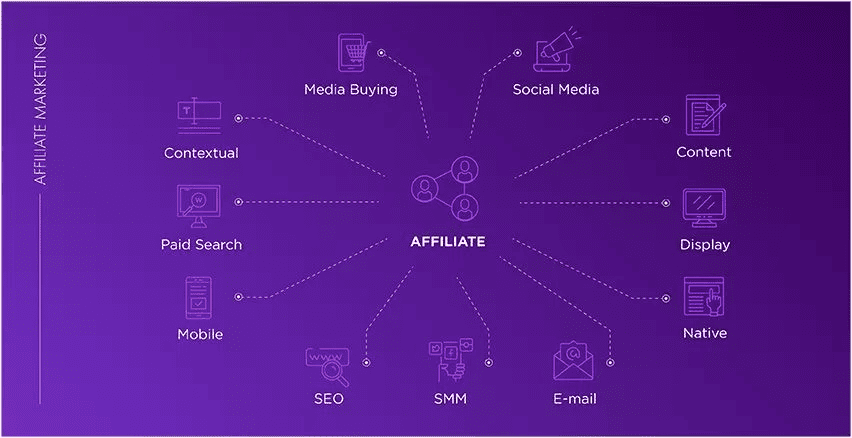
Affiliate traffic sources are the channels that bring visitors to an affiliate offer, such as search engines, social media, email, native ad networks and display ads. They fall into two groups: paid sources (PPC, native and social ads) and organic sources (SEO, social posts and email).
Is paid or organic traffic better for affiliate marketing?
Neither is better in every case. Paid traffic delivers fast results and scales with your budget, but costs rise as you spend more. Organic traffic costs less per visit and compounds over time, but takes months to build. Many affiliates test offers with paid traffic first, then add SEO and email for long-term growth.
What is the best traffic source for affiliate marketing beginners?
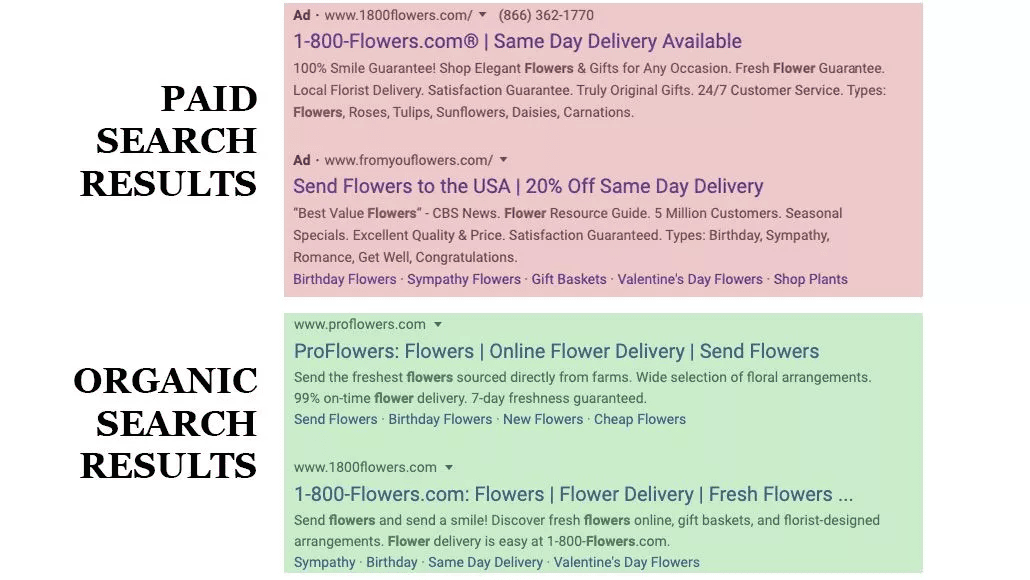
A good starting point is a channel you control and can test cheaply, such as a niche blog with SEO, a YouTube channel or an email list. If you want faster feedback, run one paid source, such as paid search, with a strict daily budget and tracking in place from day one.
Can you do affiliate marketing without a website?
Yes. Many affiliates promote offers through social media accounts, YouTube channels or email lists. A website is still recommended because you own it and can build SEO traffic on it. Some ad platforms and affiliate programs also restrict direct linking, so check their terms before you start.
How much does paid affiliate traffic cost?
Costs vary widely by source, country and niche, and are billed per click (CPC), per thousand impressions (CPM) or per action (CPA). Start with a small test budget and compare sources by cost per conversion rather than cost per click before you scale.
How do you track affiliate traffic sources?
Use a tracking platform that tags every click with its source, for example with sub IDs or UTM parameters, and records conversions against it. This shows which sources drive sales rather than just clicks, so you can shift budget to what works. Reporting dashboards make this easier; see our guide to affiliate marketing software.
How do you know if affiliate traffic is high quality?
Compare conversion rate, bounce rate, time on page and lead or sale approval rates by source. Warning signs include many clicks with no engagement, sudden spikes from a single placement and unusually high rejection rates. Anti-fraud tools in a tracking platform help flag these patterns early.
How do you convert affiliate traffic into sales?
Match the offer to your audience’s intent, send visitors to a relevant landing page instead of a generic homepage, and publish honest content that explains why the product fits. Then test headlines, calls to action and layouts, and use conversion data by source to cut what underperforms. See our step-by-step guide to earning more in affiliate marketing.
How does AI help optimize paid affiliate traffic?
AI tools analyze campaign data in real time to predict which placements are likely to convert, adjust bids automatically and move budget to better-performing channels. This reduces manual optimization work. For more detail, read our article on automated digital media buying.