





Written by

Subscribe
Get fresh updates among the first!

News — 24 Mar 2026
User Attribution in Telegram mini-apps
In recent years, Telegram has seen significant growth in its user base and the number of channels and apps associated with the platform. This trend can be attributed to several factors, including enhanced privacy features, the versatility of the platform, and the increasing demand for alternative social media and communication tools.
As of March 2024, Telegram has more than 900 million monthly active users.
This growth highlights the platform’s rising popularity worldwide.
As we move further into the year 2024, we are observing a significant and rapid surge in the popularity of mini-apps on the Telegram platform. These mini-apps, which offer a diverse range of functionalities and services, are carving out a niche for themselves and are becoming increasingly indispensable to the platform’s user base.
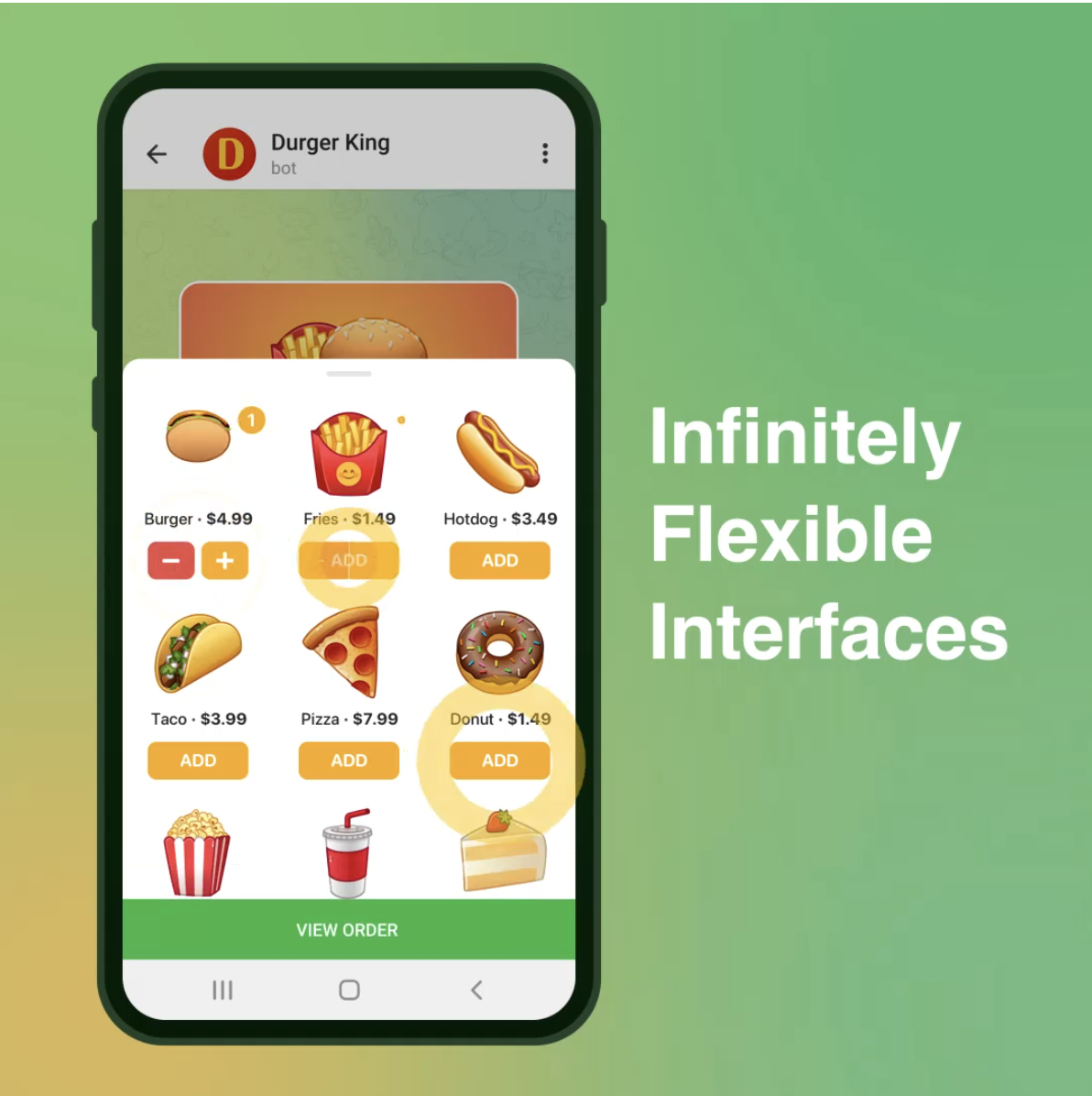
With Mini Apps developers can use JavaScript to create infinitely flexible interfaces that can be launched right inside Telegram — and can completely replace any website.
Like bots, Mini Apps support seamless authorization, integrated payments via 20 payment providers (with Google Pay and Apple Pay out of the box), delivering tailored push notifications to users, and much more.
To support this growing trend, Affise MMP is the first MMP solution that provides dedicated user attribution SDK for Telegram Mini Apps with many tracking parameters and provides Overview, Events, Retention, and many other reports based on granular user-based attribution.
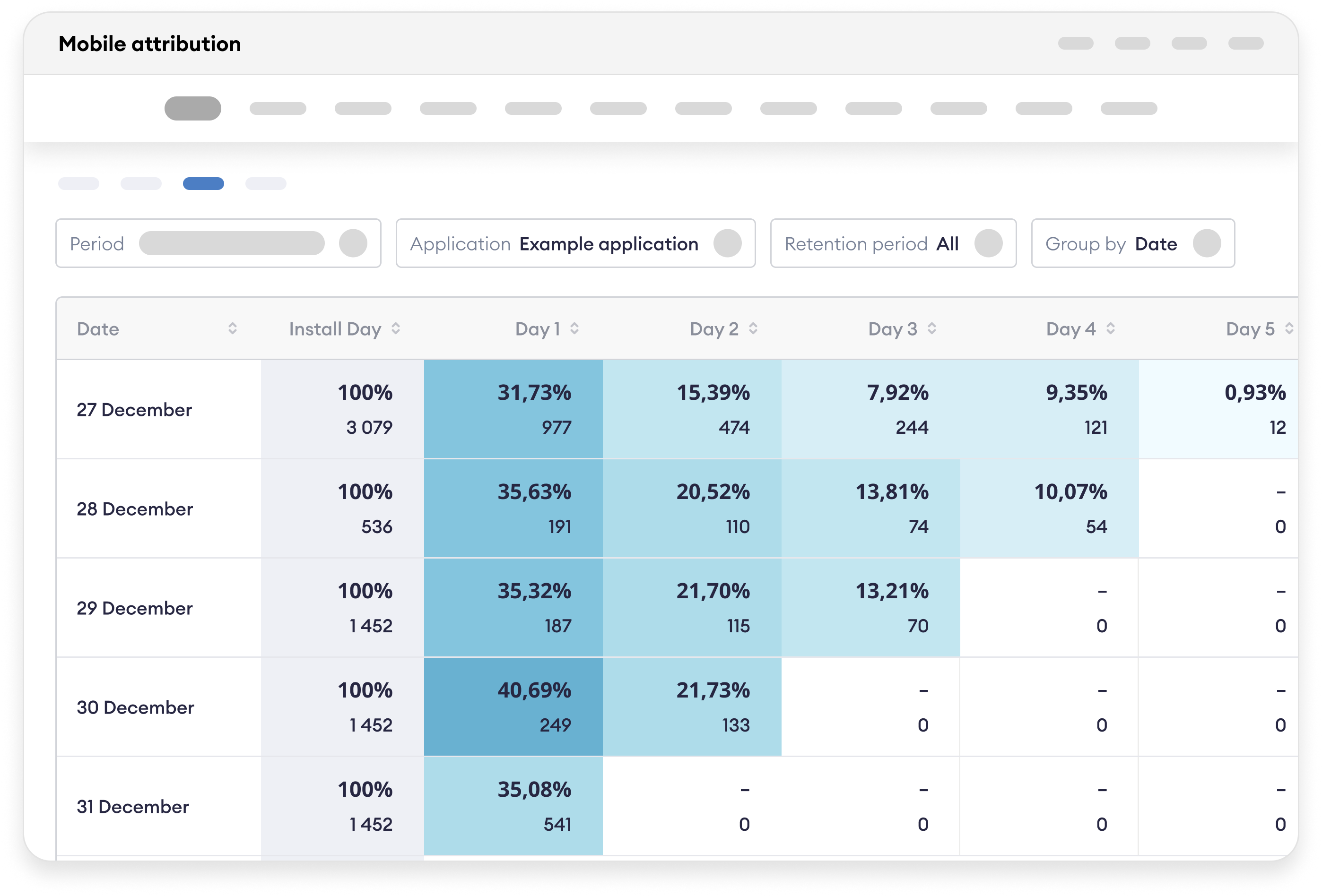
In addition, Affise MMP provides fully separate functionality for Telegram Mini-Apps. This is not just a simple feature; it’s an intricate system designed to track the entire funnel of user acquisition. It carefully monitors each step in the process, from initial contact to eventual conversion. This comprehensive approach ensures that no detail is overlooked, enabling businesses to optimize their strategies based on accurate, real-time data.
Furthermore, Affise MMP is also instrumental in building referral programs for Telegram mini-apps. By leveraging the power of word-of-mouth marketing, businesses can significantly increase their reach and attract more users to their mini-apps.
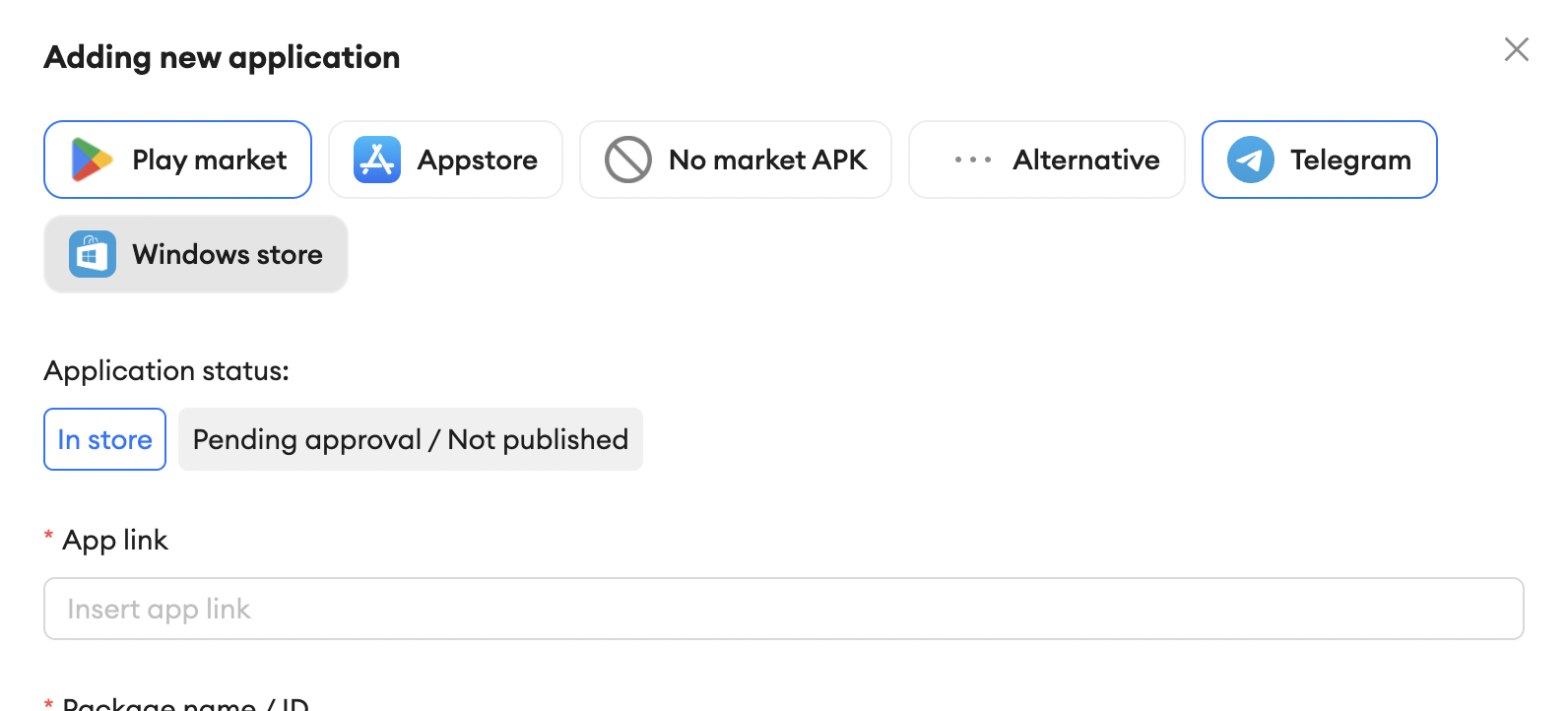
Check out our next Telegram mini-apps SDK and Sign up to get Telegram mini-apps user attribution.
Telegram Mini Apps operate within the Telegram ecosystem using JavaScript-based interfaces rather than native iOS or Android apps, which means attribution requires specialized SDK support that can track user interactions from first launch through conversion without relying on traditional device identifiers. While standard mobile attribution focuses on app installs via app stores, Telegram Mini Apps attribution tracks user engagement, in-app events, and conversions entirely within the messaging platform. For a deeper understanding of mobile attribution fundamentals that underpin these tracking mechanisms, explore our guide on implementing mobile attribution best practices.
The optimal attribution model depends on your campaign goals and user journey length. Last-touch attribution works well for immediate conversions within the Telegram ecosystem, while linear or position-based models may better serve campaigns where users interact with multiple touchpoints before engaging with your Mini App. Since Telegram Mini Apps support seamless authorization and integrated payments, understanding how credit flows across these interactions is crucial for accurate ROI measurement. Learn more about selecting the right approach for your specific use case in our detailed breakdown of the top 5 mobile attribution models and when to use them.
Yes, Affise MMP provides comprehensive support for building referral programs within Telegram Mini Apps, enabling you to track referrals from initial share through user activation and beyond. The platform’s dedicated Telegram Mini Apps SDK allows you to attribute each referred user back to their source, monitor referral-driven conversions, and optimize your word-of-mouth marketing strategies. This is particularly valuable given that referred customers typically demonstrate 18% higher loyalty rates than non-referred users. To learn more about structuring effective referral initiatives, check out our article on what makes a successful referral program.

Stay on top of the competition. Let us keep you updated with news, insights, and more