Take your app to the next level with Affise MMP (Mobile Measurement Partner)
Join Now ⚡
Marketing Automation for Ecommerce: Tools & Strategies Marketing Automation for Ecommerce: Tools & Strategies

  • Blog
  • Tips & Guides
  • Marketing Automation for Ecommerce: Tools & Strategies That Convert

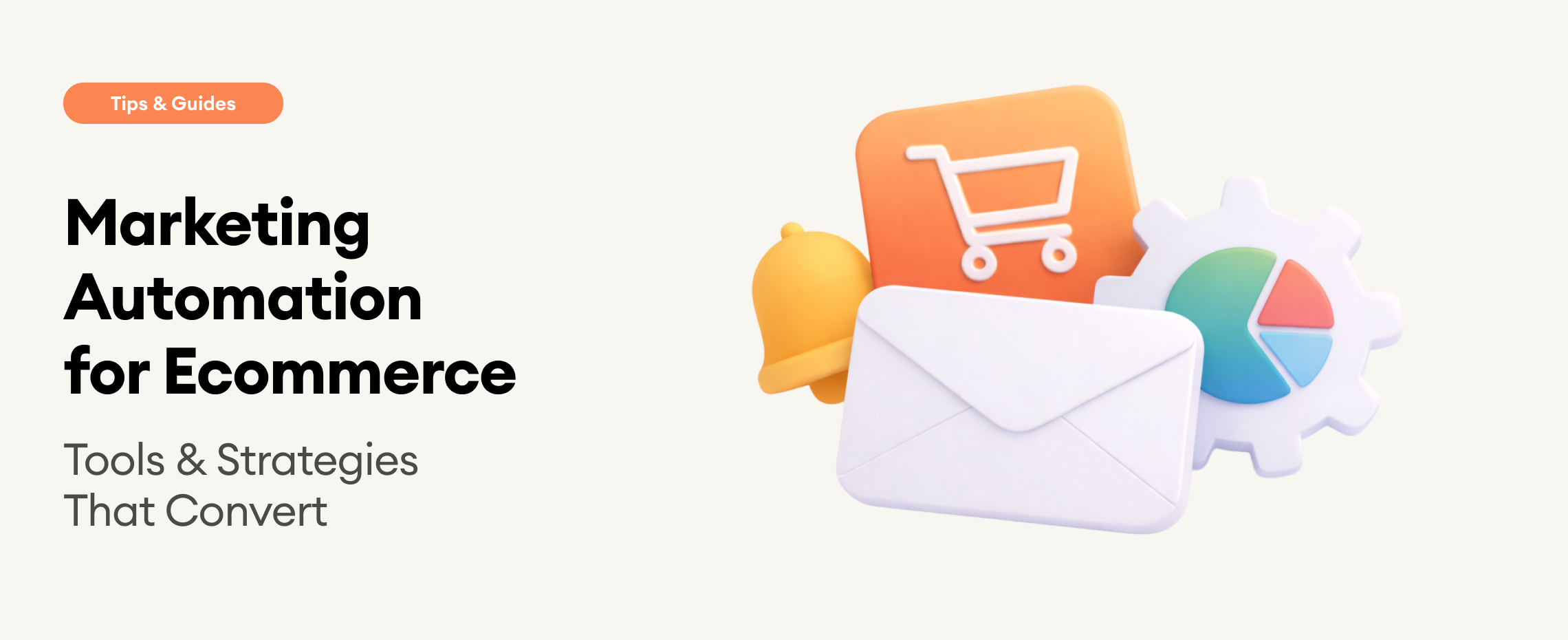
Marketing Automation for Ecommerce: Tools & Strategies That Convert

Brands are constantly looking for ways to optimize marketing, boost sales, and retain customers. With so many online stores competing for attention, success depends on delivering a seamless, personalized shopping experience that truly connects with each customer. Traditional marketing methods often fall short in reaching the right audience at the right time.

Marketing automation for ecommerce changes the game. By using intelligent software, ecommerce businesses can automate repetitive tasks like sending emails, managing customer segments, and tracking user behavior. This not only saves time but also enables highly personalized campaigns, from abandoned cart reminders to product recommendations tailored to individual browsing habits.

Beyond efficiency and personalization, marketing automation provides valuable insights into customer behavior and campaign performance. Brands can use real-time data to refine strategies, test campaigns, and continuously improve results. The outcome is higher conversion rates, stronger customer loyalty, and a measurable competitive edge in a crowded digital marketplace.

What is marketing automation for ecommerce?

Marketing automation for ecommerce involves using software and platforms to automate repetitive marketing tasks, track customer interactions, and deliver targeted communications at scale. Unlike traditional marketing, which often relies on manual effort and guesswork, automation enables businesses to respond to customer behaviors in real time. This ensures that the right message reaches the right person at the right time, whether through email, SMS, social media, or other channels.

Key benefits include:

  • Increased efficiency: automate campaigns like abandoned cart emails, product recommendations, and re-engagement workflows.
  • Personalization at scale: tailor messages based on browsing history, purchase behavior, and customer segments.
  • Higher conversions: timely, relevant messaging increases the likelihood of purchases.
  • Data-driven insights: automation tools provide analytics to continuously optimize campaigns.

Essential marketing automation strategies for ecommerce

To fully harness the power of marketing automation, ecommerce brands need a strategic approach. Here are the most impactful strategies that convert:

  • Abandoned cart recovery: shopping cart abandonment remains a major challenge for online retailers. Automated reminders that are triggered when a customer leaves items in their cart can significantly recover lost revenue. These emails or push notifications often include product images, discounts, or urgency cues to encourage completion of the purchase.
  • Personalized product recommendations: using customer data and browsing behavior, ecommerce stores can automatically suggest products a user is most likely to buy. Personalization increases average order value and enhances the overall shopping experience. For example, recommending complementary items during checkout can lead to higher cart values.
  • Segmented email campaigns: not all customers are alike, so generic email blasts are often ineffective. Automation allows brands to segment their audience based on demographics, purchase history, and engagement level. This segmentation ensures that promotional emails, product launches, and newsletters resonate with the right audience.
  • Customer lifecycle automation: every customer goes through a lifecycle, from first visit to loyal repeat buyer. Automated workflows can nurture leads through onboarding emails, post-purchase follow-ups, loyalty program invitations, and win-back campaigns for inactive customers.
  • Cross-channel marketing: modern ecommerce requires a presence across multiple channels. Marketing automation tools can synchronize campaigns across email, social media, SMS, and push notifications, ensuring a cohesive brand experience. Multi-channel automation increases visibility and engagement while reducing manual work.

Choosing the right marketing automation tools for ecommerce

Selecting the right software is crucial to achieving measurable results in ecommerce marketing. The right marketing automation tool can make the difference between generic campaigns that underperform and highly targeted strategies that drive conversions and customer loyalty. When evaluating marketing automation tools for ecommerce, consider the following key features:

  • Behavioral triggers and workflows: look for tools that allow you to create automated campaigns based on customer actions, such as browsing specific products, adding items to the cart, or completing a purchase. Behavioral triggers enable you to engage customers at the most impactful moments, delivering timely messages that increase the likelihood of conversion.
  • Advanced segmentation and personalization: not all customers respond to the same messaging. Tools that offer dynamic audience segmentation and product recommendation engines help you deliver relevant content tailored to each customer’s preferences and purchase history. Personalized campaigns can boost engagement, increase average order value, and improve long-term retention.
  • Analytics and reporting: data-driven decision-making is at the heart of successful marketing automation. Choose a platform that provides comprehensive insights into campaign performance, customer behavior, and ROI. Robust analytics allow you to identify what’s working, spot opportunities for improvement, and optimize campaigns in real time.
  • Scalability: your marketing automation tool should grow with your business. As your ecommerce store expands, you’ll need a platform that can handle more channels, larger datasets, and increasingly complex workflows without slowing down or limiting functionality. Scalability ensures that your automation strategy remains effective as your business evolves.

Measuring success in marketing automation for ecommerce

Effective marketing automation is fundamentally data-driven. To ensure your campaigns are performing at their best, it’s essential to track key performance indicators (KPIs) that reflect both customer behavior and business outcomes. Important metrics to monitor include:

  • Conversion rate from automated emails or campaigns
  • Revenue generated through automated workflows
  • Customer retention and repeat purchase rate
  • Engagement metrics

Regularly analyzing these KPIs allows ecommerce brands to refine their automation strategies, uncover hidden opportunities, and scale campaigns that drive results. By leveraging these insights, businesses can move beyond guesswork, continuously optimizing their marketing efforts to maximize conversions and customer loyalty.

Marketing automation is no longer a luxury for ecommerce businesses – it’s a necessity. By leveraging marketing automation tools for ecommerce, brands can save time, enhance personalization, recover lost sales, and increase customer loyalty. Implementing a strategic automation plan not only drives conversions but also creates a seamless, engaging shopping experience that keeps customers coming back.

In today’s fast-paced digital marketplace, businesses that embrace automation gain a competitive edge, turning repetitive tasks into revenue-driving opportunities. The key is choosing the right tools and strategies that align with your brand’s goals and audience needs.

Frequently Asked Questions

1. What is marketing automation for ecommerce?

Marketing automation in ecommerce refers  to the use of software to streamline repetitive tasks—such as email sequences and ad management—to deliver personalized customer experiences at scale.

Read this article to learn more about the technologies driving ecommerce marketing strategies.

2. How can I integrate affiliate marketing with my existing automation strategy?

Integrating these channels allows for smoother data exchange, better partner management, and smarter commission structures; learn more in this guide on combining marketing automation and affiliate marketing.

3. What specific features should I look for in marketing automation software?

To scale, prioritize tools offering multi-channel management, AI-driven insights, and robust compliance controls, detailed in this breakdown of 9 must-have features of marketing automation tools.

4. Can automation help scale my performance marketing campaigns?

Yes, it streamlines tasks like bidding, testing, and creative optimization, as explained in our article on strategies for performance marketing automation.

5. How long does it take to see results from marketing automation?

Initial improvements, like abandoned cart recovery or welcome emails, can show results within days. Broader effects on customer retention, average order value, and loyalty typically emerge over weeks to months.

6. Do we need technical expertise to set up marketing automation?

Basic setup is often straightforward, but complex workflows or cross-channel campaigns may require some technical support. Many platforms provide guides, templates, or customer support to help non-technical teams.

7. Can marketing automation integrate with our existing ecommerce platform?

Most modern automation tools integrate with popular ecommerce platforms and can sync customer data, orders, and product catalogs seamlessly.

8. How does marketing automation personalize customer experiences?

Automation uses customer data such as browsing behavior, past purchases, demographics, and engagement history to send relevant emails, product recommendations, and targeted campaigns.

9. Is marketing automation secure and compliant with privacy regulations?

Reputable platforms comply with regulations like GDPR and CCPA, using secure data handling practices, opt-in consent management, and anonymized reporting where required.

Share this article
Daria Mamchenkova

Written by

Daria is a dedicated Content Writer driven by her passion for crafting crystal-clear articles. Her passion lies in crafting articles that unravel complex concepts and make them easily digestible for readers. She is enthusiastic about acquiring new skills. Daria loves to explore the world of affiliate marketing, helping businesses and readers understand the intricacies of this industry.

Sign up to receive our newsletter

Stay on top of the competition. Let us keep you updated with news, insights, and more

email envelope